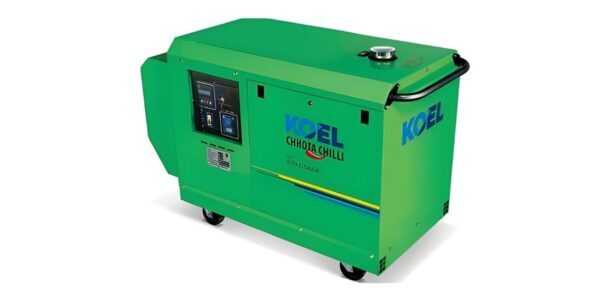
The Kirloskar generators operate most effectively at load levels between 50 per cent and 80 per cent. Here, there is a proper balance among fuel consumption, load, and power generation, resulting in greater efficiency. The efficiency of Kirloskar generators depends on various factors.
The users are looking for “kriloskar generator efficiency,” but the proper spelling is “Kirloskar.” Kirloskar generators are dependable and consume less fuel while ensuring consistent electricity generation.
What Makes Kirloskar Generators Efficient?
Kirloskar diesel generator efficiency is based on modern engines, effective burning of fuel, and effective alternators. Another basis of Kirloskar generator efficiency involves the use of Digital AVR and CRDi to maintain a constant voltage.
Together, these features help improve Kirloskar genset efficiency, reduce fuel use and work best at 50%–80% load.
Key Factors That Make Kirloskar Generators Efficient
- Durable diesel engines capable of running for extended periods of time
- Engine construction with lower fuel consumption for saving costs
- An alternator that is more efficient and loses less energy
- Stability in voltage despite load variation
- Application of CRDi technology in certain high-capacity generators for precise fuel injection
- Installation of the AVR (Automatic Voltage Regulator) for controlling voltage
- Compact and efficient design to handle loads
- Strong service network supporting Kirloskar generator maintenance
Explanation of Key Technologies
CRDi Technology (Common Rail Direct Injection)
CRDi technology ensures timely and high-pressure injection of the fuel into the engine cylinder. It improves combustion, reduces waste, and supports better fuel-saving performance, helping reduce fuel costs and improve DG set fuel saving tips in real use.
Digital AVR (Automatic Voltage Regulator)
Digital AVR gives a constant output voltage irrespective of any changes in load conditions. This is safe and effective for energy production.
Efficient Alternator System
The alternator is essential in transforming mechanical energy into electrical energy. The Kirloskar alternator efficiency is vital in ensuring effective energy transformation.
Kirloskar Generator Efficiency by Load Percentage
Kirloskar generator efficiency is good at 50%-80% of the load. It uses less fuel, operates with smoother performance, has more durability and helps manage generator load efficiently. This would improve the efficiency of the Kirloskar DG set as well. It is considered the best load range for Kirloskar generator performance.
Generator Performance by Load Level
| Load Level | Efficiency Impact | Recommendation |
| Below 30% load | Poor fuel efficiency, risk of wet stacking | Avoid long operation |
| 50% load | Moderate efficiency | Suitable for regular use |
| 75%–80% load | Best operating range for efficiency | Ideal for fuel savings |
| 100% load | Higher fuel consumption and engine stress | Use only when required |
Running the generator at the right load helps it work efficiently, especially during long use.
Key Insight
The Kirloskar generator operates optimally at around 75% to 80% load. At such a load, the engine functions optimally, the consumption of fuel is efficient, and operational costs are minimized.
Kirloskar Generator Fuel Consumption
Factors that affect fuel consumption include load balancing, generator size, type of fuel, and maintenance. Proper generator load management helps improve efficiency and reduce fuel waste.
Key Factors That Affect Fuel Consumption
- Fuel usage depends on the capacity of the generator in kVA.
- Fuel usage rate depends on the load percentage.
- Fuel quality affects burning.
- Improper maintenance results in increased fuel consumption.
- An oversized generator wastes fuel when there is little load.
- Under-sized generators are overloaded and therefore inefficient.
Generator Capacity vs Use Case
| Generator Capacity | Approx. Use Case | Fuel Efficiency Factor |
| 5–15 kVA | Homes, shops, small offices | Best for light backup loads |
| 25–62.5 kVA | Offices, schools, small industries | Efficient when load is balanced |
| 82.5–125 kVA | Hotels, hospitals, commercial buildings | Requires proper load planning |
| 160–500+ kVA | Industrial and large commercial use | Requires professional monitoring |
Proper sizing improves Kirloskar DG set fuel consumption and reduces running costs.
Key Factors That Affect Kirloskar DG Set Efficiency
DG set efficiency depends upon several aspects related to technique and practice. Appropriate sizing, maintenance, and proper loading are some of the practices that contribute to fuel conservation and efficient operations.
Generator Sizing
Proper selection of kVA rating is very important from the efficiency aspect. Wrong sizing reduces Kirloskar generator efficiency and increases fuel use.
Load Management
Operating the DG set at very low loads leads to inefficient fuel consumption. The load makes sure that there is efficient burning, smooth operation, and effective fuel consumption.
Maintenance Condition
Maintenance will increase efficiency and eliminate any loss of efficiency.
The different types of maintenance include the following:
- Air filter cleaning
- Change of engine oil
- Replacement of the fuel filter
- Coolant check
- Battery condition check
- Check on the injectors’ performance
- Radiator cleaning
Alternator Efficiency
Kirloskar Alternator Efficiency affects the process of transforming mechanical energy into electrical energy. It enables one to attain the required stability of output voltage due to minimised losses.
Fuel Quality
The low quality of diesel fuel can reduce efficiency, increase carbon deposits, and require more costly maintenance. Only the use of high-quality diesel enables machines to work at their best level, supporting Kirloskar generator fuel consumption control
How to Improve Kirloskar Generator Efficiency?
The efficiency of kirloskar generator in Nepal is determined by the way the generator is used, maintained, and the type of load connected to it.
These factors will ensure that you save on the use of fuel.
Practical Efficiency Checklist
- Apply the capacity of the generator based on your actual needs.
- Operate within the ideal operating range between 50% – 80%.
- Ensure that the generator is maintained properly.
- Regularly replace or clean the air, fuel, and oil filters.
- Use good-quality diesel fuel for a better combustion process.
- Limit the number of idle operations of the generators.
- Test the battery fluid level and the coolant level.
- Monitor the use of fuel to see if there is any wastage.
- Provide automatic load control systems.
- Periodically conduct load tests.
All these Kirloskar generator maintenance checklists will not only lower operating costs but also improve diesel generator efficiency.
Kirloskar Generator Efficiency for Different Applications
Generator efficiency will depend on how the generator is used and applied. Load sizing and appropriate load management will ensure greater efficiency for the generator.
Homes and Small Businesses
Fuel efficiency, standby power provision, and ease of maintenance will be critical. Efficiency will increase with reduced load if the generator is appropriately sized.
Offices and Schools
Voltage stability, low noise level, and effective load management will be key considerations. Energy efficiency can be guaranteed by effective load management.
Hotels and Hospitals
The system needs an uninterrupted supply of backup power. Design and proper maintenance of the system are crucial for achieving efficient operation and fuel utilisation.
Industries and Factories
Heavy loading with monitoring is essential. The efficiency can be increased through optimal loading, preventive maintenance, and fuel use techniques.
Kirloskar Generator vs Other Diesel Generators
Understanding the difference between branded and non-branded generators will help you make better decisions and save.
| Factor | Kirloskar Generator | Generic Diesel Generator |
| Brand trust | Strong market reputation | Varies by brand |
| Fuel efficiency | Good when correctly sized and maintained | Depends on engine quality |
| Service support | Wide service network in many markets | Depends on the supplier |
| Spare parts availability | Easily available in most regions | May vary |
| Industrial suitability | Suitable for commercial and industrial backup | Depends on the model and build quality |
Selection and maintenance play a crucial role in increasing diesel generator efficiency.
Common Signs Your Generator Is Losing Efficiency
When generator efficiency declines, the problem will have visible symptoms. It is important to identify them early to prevent costly maintenance, poor performance, and breakdowns.
Common Signs Include:
- Excessive fuel consumption
- High smoke in exhaust gases
- Fluctuations in voltage levels
- Uneven power production
- Engine overheating when operating
- High maintenance expenses
- Inability to handle loads
- Noisy vibrations
- Interruptions
Important Note
It indicates that the generator operates in an inefficient manner because of poor maintenance and a lack of proper sizing.
If it is using more fuel than usual, a professional inspection is required to avoid higher costs and breakdowns.
Why Choose an Authorized Kirloskar Generator Supplier or Service Provider?
An authorised supplier helps you improve Kirloskar genset efficiency and performance. They also offer genuine parts, correct installation, and technical support.
Key Benefits:
- Certified and Genuine generator sets
- Proper sizing according to your power needs in terms of kVA
- Genuine spare parts ensure longevity
- Professional installation and setup services
- Service and warranty assistance
- Maintenance assistance
- Fuel-saving advice to save money
- Loading and performance test
An authorized service provider keeps your generator running well, improves efficiency, and reduces breakdowns and fuel waste.
Conclusion
Kirloskar generator efficiency can be achieved through appropriate sizing, proper maintenance, and optimal loading. A load that is maintained between 50% and 80% makes the process more efficient, consumes less fuel, and decreases strain on the engine. Proper generator load management and routine maintenance will ensure smooth operations of your generator.
If you want to improve performance, reduce fuel costs, or choose the right generator size, get expert help from BRT International.
Contact BRT International for a quote, load assessment, or generator efficiency consultation today.
FAQs About Kirloskar Generator Efficiency
1. What is the best load range for generator efficiency?
Generators run most efficiently at 50% to 80% capacity relative to their ratings. Running a generator at very low capacity may decrease efficiency, resulting in increased fuel usage.
2. Does a bigger generator save more fuel?
No. Oversized generators may use up more fuel because of low-capacity operations. Proper sizing is necessary for efficient energy utilisation.
3. How can fuel consumption be reduced?
Fuel use can be reduced with correct sizing, proper load, regular servicing, good diesel, and timely filter changes.
4. What affects diesel generator efficiency the most?
The major influencing factors are the load, the engine, the alternator, the fuel, maintenance, and size.
5. Are Kirloskar generators suitable for commercial use?
Yes, generators are used in offices, schools, hospitals, hotels, industries, and construction sites.
6. How often should a generator be serviced?
The service depends on usage, but checking the oil, filters, coolant, batteries, and fuel will maintain its efficiency.
7. What is the difference between kVA and kW?
The kVA stands for apparent power capacity, while kW stands for usable power output. Understanding both helps in selecting the correct generator size.
8. Why is fuel consumption increasing?
Fuel use can increase due to poor maintenance, dirty filters, wrong load, bad fuel, injector problems, or the wrong size.
Popular Posts
Recent Posts
-
Kirloskar R Series vs SL Series: Which Generator Is Right for You?
Oct 06, 2026 | admin
-
Generator Overheating: Causes, Quick Fixes and Prevention Tips (Nepal Guide)
Oct 02, 2026 | admin
-
Diesel Generator Working Principle: The Complete Guide (2026)
Sep 27, 2026 | admin
-

Common Generator Problems in Nepal: Causes, Solutions, and Maintenance Tips
Sep 23, 2026 | admin
-
Generator Installation Cost in Nepal (2026): Complete Pricing & Buying Guide
Sep 10, 2026 | admin
-
IoT Enabled Genset: How Smart Generators Can Reduce Fuel Costs in Nepal
Sep 06, 2026 | admin
-
kVA vs kW: What’s the Difference? Simple Generator Power Guide
Sep 03, 2026 | admin
-
Best Generator for Hotel in Nepal (2026): Sizing, Silent Operation & Buying Guide
Aug 27, 2026 | admin