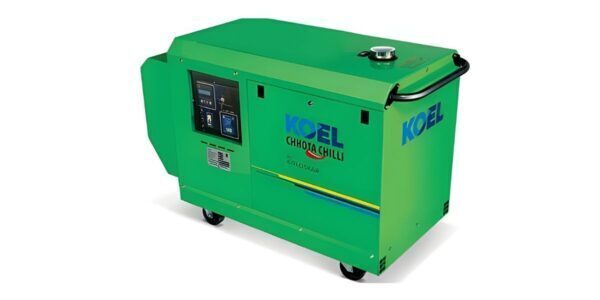
Key Takeaways
- The IOT-enabled genset monitors its fuel consumption, load, and engine condition through sensors and the internet.
- Operating a generator at low loads can reduce fuel efficiency and increase operating costs.
- Remote monitoring allows businesses to detect problems and plan maintenance activities.
- Businesses such as hotels, hospitals, industries, banks, among others, can use smart generator monitoring technology.
- BRT International offers Kirloskar Green generator systems in Nepal.
Introduction: The Hidden Cost of Running a Genset
During a power failure, a hotel in Kathmandu can use its generator for several hours. During busy times, a factory at Bhairahawa may require backup power. Power is required in every hour of the day at a hospital in Pokhara.
Diesel is a significant operating expense for these types of businesses. However, a large number of owners continue to perform manual fuel tracking. They might not be aware of the fuel consumption of the generator under various loads. They can also fail to detect early signs of engine trouble.
An IoT enabled genset will be able to address this challenge.
This genset has sensors that are used to gather information from the generator. This information can be accessed using a mobile phone, application, or web portal.
They can measure fuel consumption, loading, hours of operation, and engine details. They will also get an alarm whenever there is an issue detected.
This will provide the business with a better understanding of the generator’s performance.
In this guide, we will discuss what IoT enabled genset is and how it works, as well as how it can help in reducing the cost of generators in Nepal.
What Is an IoT Enabled Genset?
IoT enabled genset refers to a generator that uses sensors and interconnected systems to gather data from operations and transmit it.
Internet of Things or IoT simply means that the machine is able to collect and transmit data via the internet.
Based on the type of generator and monitoring system being used, the IoT-enabled genset will be able to monitor:
- Fuel usage and fuel trends
- Loading percent while operating
- Engine information, including temperature and oil pressure
- Number of running hours
- Status and location of generator
- Faults and alarms
Such data can be found on the app or web dashboard.
The user does not have to visit the generator to get information about its performance. This process is called remote generator monitoring.
How Is an IoT Enabled Genset Different From a Normal Genset?
The normal genset is a backup power system. However, the information about its operation is only available on-site.
People usually need to note down information like the quantity of fuel used and hours of operation manually.
The IoT genset offers a remote monitoring system for the setup.
The generator can be monitored from another place. Users will have the ability to monitor operational data, check alarm messages, and monitor hours of operation.
This doesn’t mean that the generator will save fuel on its own.
The advantage here is information.
The company can use this information for identifying inefficiencies, optimizing operations, and scheduling maintenance.
How Does an IoT Enabled Genset Work?
IoT-based generator systems function based on a few basic processes.
1. Sensors Collect Data
The sensors gather the data from the generator.
These may include things like load, voltage, temperature, battery status, and many other details about the engine.
2. A Controller Processes the Data
The controller gathers the data from the sensors.
Then, it processes the data for transmission to the monitoring system.
3. The System Sends Data Online
The system uses a network connection for transmitting the data to the cloud or monitoring system.
The type of connection and hardware will vary based on the type of generator.
4. Users View the Data
The data will be available through an app or web portal. Users can track generator status, trends, run time, and alerts. It is easier for users to monitor their generator from afar.
Why Does Generator Load Matter?
Generator load directly influences fuel consumption and efficiency.
A generator which is too large compared to actual requirements will spend considerable time at low loads.
For instance, a generator which has a capacity of 125 kVA can operate under conditions when there is not sufficient load.
Without proper monitoring, the owner would fail to realize this trend.
The owner is only aware of the monthly diesel costs incurred.
The IoT monitoring system allows for analysis of the generator trends over time. The load during each period of operation is analyzed.
The company will then be able to determine whether the size and operating trend of the generator meet their requirements.
A Simple Example
Imagine a hotel in Kathmandu with an 82.5 kVA generator.
The generator is operated during power cuts. But the power consumption at this particular place is much less than the maximum capacity of the generator.
IoT can help the owner to determine how much fuel has been used by the generator per month.
The owner might not be aware of the reasons for the increased use of fuel.
With a genset with IoT capabilities, the owner can view the loading and operational details of the generator through a dashboard.
These details might indicate that the generator works under low-loading conditions.
In such a case, the owner would examine the power consumption by the business. This will allow the business to control the loads and also make decisions on replacing the generator.
The same data can help technicians spot unusual readings and check the generator before a small issue becomes a major problem.
Traditional Genset vs. IoT Enabled Genset
| Feature | Traditional Genset | IoT Enabled Genset |
| Fuel monitoring | Often manual | Digital monitoring |
| Load monitoring | Limited | Remote monitoring |
| Running hours | Manual or local | Can be viewed remotely |
| Maintenance | Based on records and schedule | Can use actual running data |
| Fault alerts | Often local | Remote alerts may be available |
| Multi-site monitoring | Separate reports | Central dashboard |
| Reporting | Mostly manual | Digital data and reports |
| Remote access | Limited | Available through connected systems |
How Can an IoT Enabled Genset Reduce Fuel Costs?
An IoT enabled genset does not necessarily lead to reduced fuel consumption since they are Internet-connected. Rather, fuel savings depend on how the information provided is used to optimize the functioning of the generators. Below are some ways to achieve it.
1. It Shows Low-Load Operation
The dashboard would indicate the load carried by the generator while operating. For instance, the company could realize that its generator operates at a very low load. This will assist the business in analyzing its generator capacity and energy consumption. It could also assist in future generator purchases.
2. It Helps Find Performance Problems
Changes in the generator data may indicate potential issues. For instance, abnormal temperature readings or warnings may be an indication that the machine needs to be examined by the technician. Regular examinations can prevent minor issues from escalating into bigger breakdowns. A generator in good condition will also be more reliable.
3. It Makes Maintenance Easier
Maintenance is necessary for generators. The running time is an integral element in the service scheduling process. An IOT based platform will assist in monitoring the actual running hours. This provides more accurate data for scheduling services. Furthermore, it eliminates the dependence on only handwritten documents.
4. It Helps Manage Multiple Sites
Larger companies could have generators in multiple locations.
For example, a bank will have generators in multiple branches. A hotel chain will have generators in various hotels. A telecommunication company will manage generators in multiple locations.
IoT dashboard can help consolidate all this information in one platform. Managers will be able to check the condition of generators without having to call each location for a manual update.
5. It Improves Fuel Tracking
Manual records for fuel may not be easy to handle. Data in digital form may assist firms in comparing generator operating hours with fuel consumption. Unusual trends regarding fuel may become easy to spot. Record keeping will also become easier.
Which Nepali Businesses Can Benefit From an IoT Enabled Genset?
An IOT -enabled genset can assist a lot of organizations in tracking their electricity consumption, measuring the performance of their generator and scheduling its maintenance. The solution would be particularly beneficial for organizations relying on backup power for a prolonged period of time or controlling generators from various locations.
Hotels
Hotels have varying power requirements depending on guests, seasons, and activities carried out within them.
IoT devices aid hotel administrators in monitoring generator usage, loads, and fuel consumption. This will assist in managing their fuel costs and ensuring generator efficiency.
Hospitals and Clinics
Hospitals and clinics require dependable power backup to perform their essential functions.
The IoT system provides them with the ability to monitor the condition of their generator remotely. Additionally, alerts may assist them in realizing any issues.
Factories
Factories usually experience fluctuating loads because different machines will be switched on and off during the production process.
By monitoring the load, the plant manager will know how well the generator functions at different stages of production.
Data Centers
Data centers require backup power sources that work reliably. They may have to function for extended durations during any power failure.
Remote monitoring enables people to track the status of the generators, their operating hours, alerts, and any other information available.
Banks, Telecom Companies, and Retail Chains
Many banks, telecommunications companies, and retail stores have generators located in multiple places.
Using the IoT dashboard can help pull data from generators located at all those different places into a single place for the managers to be able to monitor their operational status without having to wait for individual reports from all those branches.
This can save staff time and make generator management easier.
Schools and Universities
Big educational institutions can make use of generator systems for providing back-up power to multiple buildings.
IoT monitoring enables facility managers to monitor the usage of generators, hours of operations, and any alerts that are associated. It can make the process of maintenance planning simple.
Is an IoT Enabled Genset Worth the Extra Cost?
An IoT-enabled genset will be more expensive than an ordinary generator.
Higher costs could result from additional devices like sensors, controllers, communication devices, and software.
But the cost is not just limited to the purchase price.
Companies must consider the total cost of ownership as well.
These may include:
- Fuel cost
- Maintenance cost
- Cost of replacement parts and repairs
- Costs related to downtime
- Time of staff members for manual inspections
- Costs of managing multiple generator locations
If the generator is run for a few hours per year, advanced monitoring is unnecessary.
However, companies that utilize their generators frequently may find that remote monitoring is of greater value.
It all depends on the generator utilization, environment, and use of data by the company.
How to Choose the Right IoT Enabled Genset?
Selecting the appropriate IoT enabled genset is crucial for ensuring that you have reliable back-up power as well as having control of costs. Before making any purchases, there are several things you should take into account.
1. Choose the Right Generator Size
Begin by determining your energy needs.
An oversized generator can operate at a low load. The consequences can be inefficiencies in terms of fuel consumption. An undersized generator might not be able to cope with your load.
Determine your present and future energy demands. Load assessment will assist in determining the appropriate capacity of the generator.
2. Check Network Coverage
Internet of Things (IoT) monitoring requires a stable network connection.
It is important to make sure that the network coverage at the location where the generator will be set up is good.
This is especially crucial for companies using generators in remote locations.
3. Choose an Easy-to-Use Monitoring System
The monitoring dashboard must be easy to understand and user-friendly.
Your team must be able to get critical information like the generator’s status, loads, runtime, and alarms without complicated training.
Use a system that gives good and clear alerts and reports. Technical information can complicate the entire process.
4. Look for Strong Local Support
An IoT integrated genset system would still require periodic maintenance and technical support.
Select a vendor who will offer you professional installation, maintenance, replacement of genuine spares, and warranty and post-warranty services.
Good local support could help minimize downtime and provide prompt assistance during any problem.
5. Check Emission Standards
Emission standards also play an important role in choosing the new genset.
Find out from the seller which emission standard is complied with by the particular genset. Check whether the genset is right for your location and its intended use.
Choosing the right genset complying with appropriate emission standards is vital for successful operation.
Where to Get an IoT Enabled Genset in Nepal?
Kirloskar Green generators are available through BRT International Pvt. Ltd. in Nepal.
The company sells generators, installs them, and supports them under warranty and after the sale.
The company has its headquarters at Koteshwor, Kathmandu, with branch offices in Chitwan and Butwal.
Its generator solutions are available for various applications, ranging from domestic use to commercial, industrial and institutional purposes.
When buying a new generator, you should inquire whether there are any IoT enabled genset options and monitoring facilities.
You will need to compare generator size, fuel consumption, monitoring options, warranty and service facilities, among others.
Conclusion
Diesel is one of the highest operating costs for businesses that rely on backup power. An IoT enabled genset can help businesses monitor generator performance, track fuel usage, review running hours, receive alerts, and identify potential issues in real time.
With access to accurate generator data, businesses can make better decisions about fuel management, maintenance, load management, and overall operating costs. The main benefit of an IoT generator is not simply its internet connectivity. It is the useful data and insights that help businesses manage their power systems more efficiently.
For businesses in Nepal that depend on generators regularly, an IoT enabled genset can be a practical solution for improving reliability, monitoring performance, and controlling operating expenses.
Looking for an IoT enabled genset in Nepal? Contact BRT International Pvt. Ltd. to discuss your power requirements, generator capacity, IoT monitoring features, installation, and after-sales support.
Frequently Asked Questions
What is an IoT enabled genset?
An IoT-enabled genset refers to a generator equipped with sensors and connectivity. It is able to gather data including load, runtime, genset status, and engine. This data is accessible by users through the monitoring system connected to it.
Does an IoT enabled genset cost more than a normal genset?
It may become expensive because it might incorporate additional sensors, controllers, communication equipment, and software. The value of remote monitoring depends on how frequently the generator is operated and how the company uses the monitoring information.
Can I add IoT monitoring to an old generator?
Some generators can be installed with retrofit IoT monitoring systems. But this depends on the type of generator and monitoring system. Consult a certified provider to verify whether your generator is compatible with retrofit IoT monitoring systems.
Do I need a technical team to use the dashboard?
You do not need advanced technical skills to view basic dashboard information. A good system should show important data in a simple format. However, trained technicians are still needed for generator maintenance and repairs.
How much fuel can an IoT enabled genset save?
There is no fixed fuel-saving percentage for every generator. Savings depend on factors such as generator size, load, running hours, maintenance, and fuel management. The main benefit is better data. Businesses can use that data to find waste and improve generator operation.
Is an IoT enabled genset worth it for a home generator?
It depends on how often the generator is used. For occasional home backup, advanced monitoring may not be worth the extra cost. For businesses that use generators often, remote monitoring can provide more value.
Which Kirloskar generators have IoT features?
IoT features depend on the specific Kirloskar Green model and configuration. If you have a required generator capacity in mind, contact BRT International to check the available IoT features and suitable models.
Popular Posts



Recent Posts
-
Generator Installation Cost in Nepal (2026): Complete Pricing & Buying Guide
Sep 10, 2026 | admin
-

IoT Enabled Genset: How Smart Generators Can Reduce Fuel Costs in Nepal
Sep 06, 2026 | admin
-
kVA vs kW: What’s the Difference? Simple Generator Power Guide
Sep 03, 2026 | admin
-
Best Generator for Hotel in Nepal (2026): Sizing, Silent Operation & Buying Guide
Aug 27, 2026 | admin
-

15kVA Generator Price in Nepal (2026): Features, Cost & Buying Guide
Aug 09, 2026 | admin
-
Silent Generator Price in Nepal (2026): Complete Price List & Buying Guide
Aug 03, 2026 | admin
-
Best Generator for Home Backup Power in Nepal: How to Choose the Right One (2026)
Jul 31, 2026 | admin
-
Kirloskar Generator Price in Nepal (2026): Best Buying Guide
Jul 20, 2026 | admin