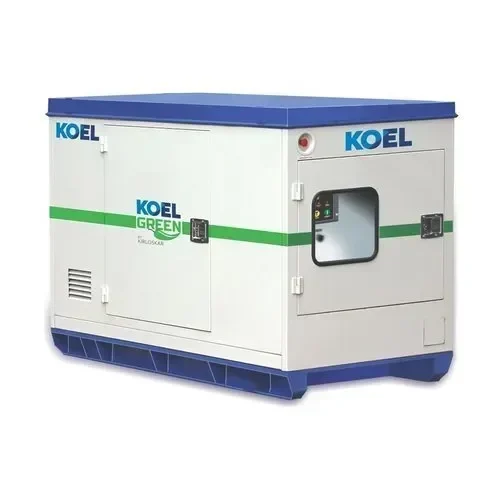
Quick answer: The best generator for hotel in Nepal is a silent or acoustic-enclosed diesel generator. Select a generator for your overall power requirement. Include a 25-30% contingency for future requirements and unexpected load surges.
Small guesthouses require approximately 30kVA, whereas large hotels and resorts may require 200kVA or more. The fuel efficiency, low-noise models and after-sales support make Kirloskar generators a popular choice in Nepal.
Guests can be frustrated by a power outage during check-in. During a wedding reception, a power outage can ruin the whole day. It can also prevent lifts and endanger guests. Food in freezers can even be ruined during a prolonged power outage.
A generator is not just a backup system for hotels, resorts, and guesthouses in Nepal. It contributes to the comfort, safety and business revenue of guests.
This guide will help you select the best generator for hotel in Nepal. It includes generator size, noise, fuel consumption and more.
Why Hotels Need a Dedicated Backup Power Strategy?
Hospitality properties have power requirements that are quite different from a home or office. One hotel operates:
- Guest room lighting, air conditioning and Wi-Fi.
- Elevators and lifts (safety-critical, cannot be interrupted mid-transit)
- Commercial kitchen equipment (refrigeration, ovens, exhaust systems)
- Laundry facilities
- Common area lighting, restaurants, and banquet halls
- Security systems, CCTV and fire safety equipment.
- Water pumps and heating systems
A hotel backup generator can be required to provide power to the majority of the building, unlike a home generator. Hotels may operate generators for extended periods during power outages. Guests still expect the same comfort and services when the main power is out.
Despite the reduction in nationwide load-shedding, voltage fluctuations and local power outages are still possible in Nepal. If you don’t plan for backup, hotels can have more than complaints. Power failures can lead to poor reviews, cancellations, and fewer repeat bookings.
The Real Cost of Getting This Wrong
The undersized generator which keeps tripping when there is load due to the dinner hour being peak is usually better off not having any generator at all, since it gives you a sense of security, only to disappoint you at the worst possible time. Over-sizing wastes your money and fuel consumption needlessly. Sizing is by far the most crucial decision here.
How to Size the Best Generator for Hotel?
Sizing a backup power generator correctly requires calculating your hotel’s total connected load, not just guessing based on room count. Here’s the practical approach.
Step 1: List Every Load Category
Break your property into load categories and estimate wattage for each:
| Load Category | Typical Load Range |
| Guest rooms (per room, AC + lighting + TV) | 1.5–2.5 kW |
| Elevators/lifts (per unit) | 5–15 kW |
| Kitchen equipment (full commercial kitchen) | 15–40 kW |
| Laundry equipment | 10–25 kW |
| Common areas, lobby, restaurant lighting | 5–15 kW |
| Water pumps and heating | 5–10 kW |
| Security, CCTV, fire safety systems | 2–5 kW |
Step 2: Add Motor Starting Surge
Motor-driven devices such as lifts, water pumps, and huge compressors require 2 to 3 times their regular operational load for only a few seconds during starting. The generator has to be able to take care of both the regular load and this peak requirement; otherwise, it will fail.
Step 3: Apply a Safety Margin
An additional 25-30% of your calculated figure should be taken into account due to the need to accommodate future growth, peak loads happening at the same time, and the wear and tear of machinery. The difference between the two is what makes one work well for 10 years while the other barely lasts two.
Recommended Generator Sizes by Property Type
| Property Type | Rooms (approx.) | Recommended Generator Size |
| Small guesthouse/lodge | 10–20 rooms | 20–30 kVA |
| Mid-size hotel | 20–50 rooms | 40–82.5 kVA |
| Business hotel with banquet facilities | 50–100 rooms | 100–160 kVA |
| Large resort / full-service hotel | 100+ rooms | 180–320 kVA |
These figures are starting benchmarks. Actual sizing should always be confirmed with a proper load audit BRT International can calculate this for your specific property free of charge as part of a consultation.
Why Silent (Acoustic) Generators Are Non-Negotiable for Hotels?
This is the single biggest difference between a generator for hotels and a generator for, say, a factory or construction site: noise is a guest experience issue, not just an operational one.
An open diesel generator can produce sound from 90 to 100 decibels – that is almost as loud as a motorbike nearby. This is not an acceptable situation next to the guest rooms, swimming pool zones, or any outside restaurant area. A silent diesel generator for hotel business, enclosed in a proper soundproofing enclosure, produces sounds from 65 to 75 decibels.
When evaluating a silent generator for a hotel property, check:
- Noise rating (dB) at 1-meter and 7-meter distance — ask the dealer for tested figures, not just “silent” as a marketing term
- Enclosure material and design — acoustic foam lining and vibration-dampening mounts make a measurable difference
- Exhaust routing — a well-designed exhaust system reduces both noise and visible smoke, both of which affect guest perception
Essential Features for a Hotel Generator
Beyond size and noise level, a handful of features matter specifically for hospitality operations:
1. Automatic Transfer Switch (ATS)
Automatic Transfer Switch (ATS) monitors a power failure and transfers the power from the electricity grid to the generator immediately.
This characteristic is particularly significant for hotels since the guests must not face any inconvenience. In addition, some other essential components like lifts and emergency lights require immediate power supply.
2. Fuel Efficiency
During power failures, hotels operate generators for long periods of time. Using a fuel-saving generator saves diesel fuel and cuts down on operational expenses. This is especially true if the generator is operated often.
3. Remote Monitoring / IoT Capability
Remote control through IoT systems is available in contemporary generators. The hotel staff can view the level of fuel, operating time, and faults remotely. This feature is helpful to hotels with limited maintenance personnel or those operating different locations.
4. Load-Sharing / Synchronization Capability
Large hotels can have two or even more generators which can operate together. This process is known as synchronization.
One generator can be used to cater to the load during the period of low occupancy. The number of generators which can operate during peak times can be increased.
5. Genuine Spare Parts Availability
Hospitality companies simply cannot afford days of idle time waiting for the replacement component to arrive. Purchasing through an authorized distributor that has access to locally stocked spares is not a mere procedural step but a real operational safeguard.
Diesel vs. Other Options for Hotels
For hotels’ power supply, however, diesel is the preferred fuel in Nepal due to several practical considerations:
- Fuel efficiency of diesel engines operating continuously at a high load, which is important when working continuously over many hours during a power failure
- Increased lifespan of the diesel engine under continuous or almost continuous use, which is characteristic of the hotel industry
- Availability of diesel throughout Nepal, unlike speciality fuels
Gasoline-powered generators are inappropriate for hotels; they are designed for short-term use and small loads.
Where to Place the Generator?
Placement influences both noise effects and safety considerations. During the installation of a generator in a hotel, consider the placement wisely because an ideal placement reduces noise, heat, and even safety hazards.
- Keep it away from guests: Try to avoid locating the generator near guest quarters, dining facilities, and swimming pools.
- Provide proper ventilation: Ensure there is sufficient room for heat to escape. The exhaust must be directed away from guest quarters and intake vents.
- Maintain the property’s appearance: Use landscaping or appropriate enclosure to keep the generator out of sight. This is particularly effective in resorts where aesthetics and comfort count.
- Follow safety requirements: Ensure that your installation meets fire and safety regulations in your area before determining the best location.
Maintenance for Continuous Hospitality Operations
Hotel generators have to run without any failure since the generators may fail when there is no electricity supply, which may negatively impact the guests in the hotel.
- Weekly Checks: Fuel, oil, and coolant level checks should be performed. Leaks and any other visible signs should be checked.
- Monthly Load Testing: Perform a load test on the generator to ensure that it can handle the necessary load.
- Quarterly Servicing: Quarterly servicing from professionals is recommended. This is particularly vital before the tourism season.
- Annual Load Bank Testing: Test the capacity of the generator annually. This is particularly vital if additional rooms, equipment, and facilities have been added.
An AMC (Annual Maintenance Contract) can also be a good option. It provides regular professional maintenance and helps reduce unexpected repair costs.
What Does a Hotel Generator Cost in Nepal?
Several factors determine generator pricing. They include kVA rating, brand, silent canopy, and cost of installation.
However, for small to medium-sized hotels, generator sizes between 40-80kVa could require huge amounts of money to purchase. In addition to the cost of acquiring them, one should look at other factors like efficiency, warranties, among others.
For an accurate price based on your hotel’s power needs, contact BRT International for a free consultation and load assessment.
Why Hotels Across Nepal Choose BRT International?
BRT International has been offering its Kirloskar generators to Nepal from 2007 onwards. BRT International assists hotels to make their choice for quality generators which do not create noise pollution.
- Kirloskar Green Diesel Generators: Famous for their efficiency and dependability.
- Quiet Generator Solutions: Developed to lower sound levels in hotels and other guest-oriented facilities.
- Free Load Testing: Assists in determining the proper generator capacity and preventing any unnecessary oversizing of generators.
- Genuine Parts and Services: Can help in lowering downtime and increasing dependability of your generator system.
- National Coverage: Available for all hotel properties in Nepal, even beyond Kathmandu Valley.
Frequently Asked Questions
Q1: What size generator does a small hotel need?
Small hotels and guesthouses with 10 to 20 rooms typically need a 20–30 kVA generator. The exact size depends on the hotel’s facilities. A property with a lift, restaurant, or laundry service may need a larger generator.
Q2: Are silent generators more expensive than open-type generators?
Yes, usually. Silent generators cost more because they require acoustic enclosures, vibration control, and exhaust systems to reduce noise.
For hotels, this extra cost is often worthwhile. A quieter generator helps maintain guest comfort and reduces noise around rooms and other guest areas.
Q3: Can one generator run an entire hotel?
Yes, provided it’s correctly sized to the hotel’s total connected load plus a safety margin. Larger resorts sometimes use two or more synchronized generators instead of one very large unit, for better fuel efficiency during low-occupancy periods.
Q4: How long can a hotel generator run continuously?
A properly maintained diesel generator can run continuously for extended periods — many industrial and commercial-grade units are rated for continuous duty provided fuel supply, oil levels, and cooling are properly managed. Manufacturer specifications should be checked for exact continuous-duty ratings.
Q5: Does a hotel generator need an Automatic Transfer Switch (ATS)?
Yes. An ATS is considered essential for hospitality properties because it enables near-instant, automatic switchover during a power cut, which is critical for guest-facing systems like lifts, lighting, and life-safety equipment.
Q6: What is the noise level of a good hotel generator?
Look for a silent generator rated between 65–75 decibels at a 7-meter distance. Standard open-type generators, by comparison, often exceed 90 decibels, which is unsuitable near guest areas.
Conclusion
Choosing the best generator for hotel in Nepal comes down to three key things: the right generator size, low-noise operation, and reliable maintenance support.
A good generator keeps important hotel systems running during power cuts. It also helps maintain guest comfort and safety. Whether you run a small guesthouse or a large resort, the right backup power system can protect your business and your guests.
BRT International has over 17 years of experience helping businesses across Nepal choose, install, and maintain generators. Get in touch for a free load assessment and a generator recommendation for your property.
Popular Posts
Recent Posts
-
Kirloskar R Series vs SL Series: Which Generator Is Right for You?
Oct 06, 2026 | admin
-
Generator Overheating: Causes, Quick Fixes and Prevention Tips (Nepal Guide)
Oct 02, 2026 | admin
-
Diesel Generator Working Principle: The Complete Guide (2026)
Sep 27, 2026 | admin
-
Common Generator Problems in Nepal: Causes, Solutions, and Maintenance Tips
Sep 23, 2026 | admin
-
Generator Installation Cost in Nepal (2026): Complete Pricing & Buying Guide
Sep 10, 2026 | admin
-
IoT Enabled Genset: How Smart Generators Can Reduce Fuel Costs in Nepal
Sep 06, 2026 | admin
-
kVA vs kW: What’s the Difference? Simple Generator Power Guide
Sep 03, 2026 | admin
-
Best Generator for Hotel in Nepal (2026): Sizing, Silent Operation & Buying Guide
Aug 27, 2026 | admin