Quick Answer
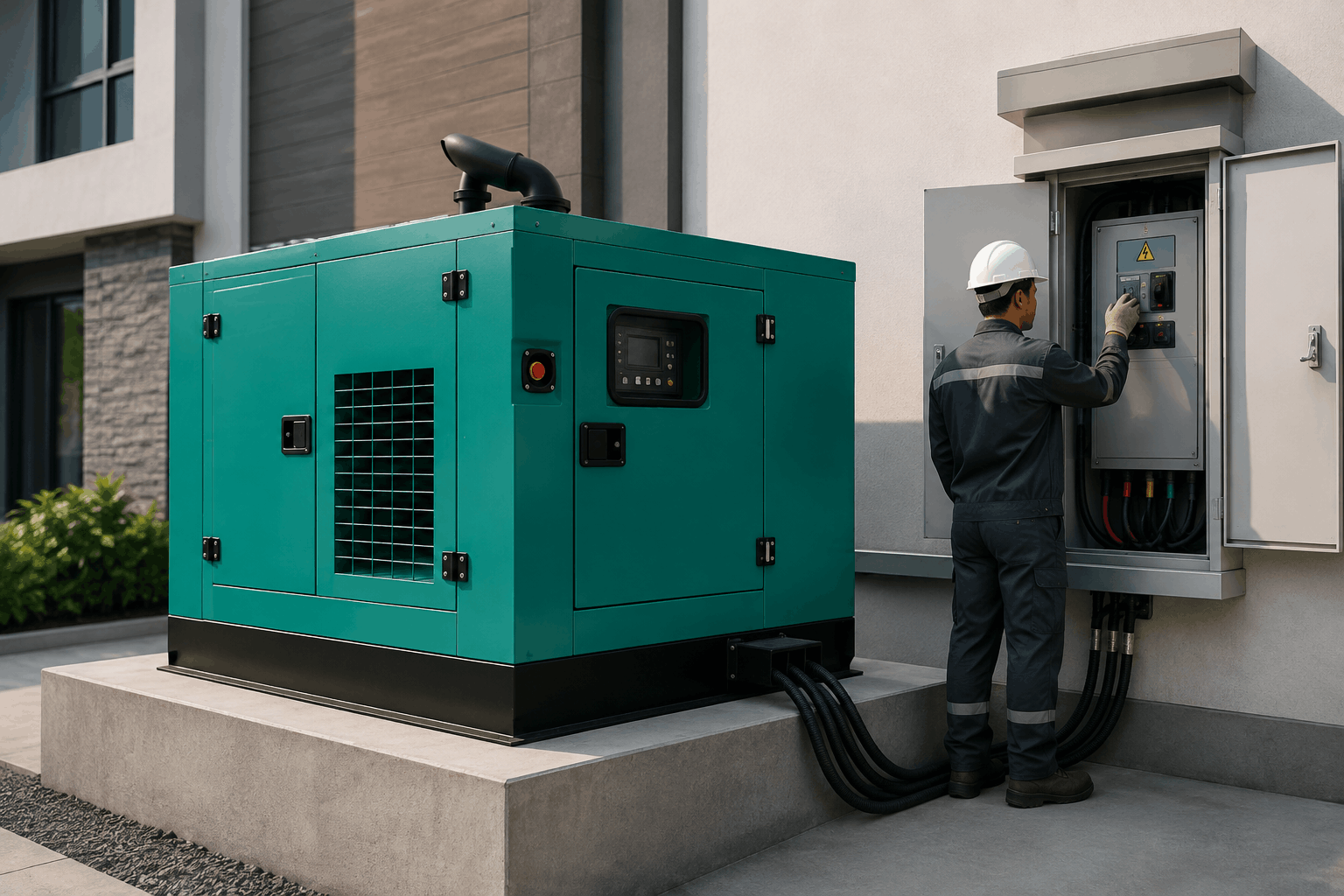
The generator installation cost in Nepal is not fixed and depends on a few factors. These will be: generator size; whether the switch used is manual or ATS; distance from the generator to your panel via cables; foundation/civil work; earthing; fuel tanking; and testing at the end. A domestic installation with a manual switch and shorter cable distance would be cheaper than a commercial one involving an ATS and fuel tanking. The only reliable way to get the exact figure would be for a technician to come on-site.
Introduction: Installation Costs More Than People Expect
If you ask typical individuals what the cost of a generator is, they’ll give you the price of the generator. But that’s not the whole story. The generator is only part of a functional backup power plant. Installation involves the addition of cabling, a switch, earthing, civil work and final testing.
Skip that part of the budget, and you get one of two problems. Either the final bill comes in higher than expected. Or someone attempts to save money by cutting corners during installation. Thin cables, faulty grounding, or inexperienced workers can negatively impact the job. This can cause damage to the generator. It can void the warranty. It can also be deadly.
This is a guide to the factors that contribute to the generator installation cost in Nepal. It explains what a good job entails, the differences between home and commercial installations and how to obtain a reasonable quote.
Why Installation Cost Deserves Its Own Line Item?
When selecting a generator to purchase, people will compare unit costs first of all. However, the unit itself constitutes only a part of the process. Installation involves wiring, switches, earthing, foundations, exhaust and fuel supply, among other things, thus increasing the overall cost of the process.
Lowering costs by cutting installation expenses always fails. The consequences can include poor earthing, undersized cables, poor ventilation, or bad wiring, which may affect not only safety but also performance. When comparing suppliers, compare the entire installation package rather than the cost of the generator alone.
What Does Generator Installation Include?
The process of installing a generator correctly requires many important stages. These stages will help to make sure that the generator works effectively when required.
1. Site Inspection
The installation begins with a review of the installation site. The installer examines access, airflow, noise specifications, ground condition, and spacing from the generator to the main electrical panel.
2. Foundation Work
A proper concrete base ensures that there is stability when setting up the generator. Additionally, it assists in minimizing vibrations caused by the generator.
3. Electrical Cabling
The generator requires cables of an appropriate size to be able to carry its electrical load. The necessary size of the cable as well as its length is dependent on the capacity of the generator.
4. Switch Installation
The system can either make use of a manual transfer switch or an Automatic Transfer Switch (ATS). A manual switch needs someone to manually transfer the power supply in case the main supply of electricity fails. The ATS will automatically transfer the load to the generator.
5. Earthing
Earthing is very important in the installation of generators. This helps minimize the danger caused by electrical faults to personnel and machines.
6. Exhaust Routing
The exhaust system of the generator has to be placed in such a way that the fumes are properly directed away from doors, windows, and occupied areas. Proper exhaust routing is important for safe operation.
7. Fuel Connection
Larger commercial and industrial generators could need a dedicated fuel tank and piping. It is important that the installation of these components is done correctly.
8. Sound Enclosure
Some installations might need a sound enclosure or even a separate generator room to lower noise levels. This could prove helpful for generators that have been installed in places like residential buildings, offices, hotels, etc.
9. Testing and Commissioning
The last step involves testing and commissioning of the generator. The installer will switch on the generator, test the voltage, test the changeover system and run the generator under load to ensure that the entire system is functioning correctly.
A good installation of the generator guarantees you its safety and reliability during emergency times.
Factors That Affect Generator Installation Cost in Nepal
1. Generator Capacity
A small generator used for homes at 5 kVA does not require the same configuration compared to a bigger 250 kVA generator used in industry. As the size increases, the cost will increase.
2. Manual Switch vs. ATS
| Feature | Manual Changeover Switch | Automatic Transfer Switch (ATS) |
| Cost | Lower | Higher |
| Operation | Someone flips it | Switches on its own |
| Best for | Homes, small businesses | Offices, hospitals, hotels, critical sites |
| During a power cut | Needs a person present | Switches automatically |
A manual switch is perfect for the household because someone is present most of the time. However, an ATS would be best for a business that will have problems even with short power interruptions.
3. Cable Distance
As the distance between the generator and the main panel increases, the cost of wiring and labor required increases too. The more wires there are underground or inside walls, the more expensive the installation. It is therefore wise to consider the location of the generator ahead of time.
4. Site Access and Terrain
An installation point at ground floor level with easy accessibility is the easiest and most economical option. Roof-top installations, small land area, staircases and hilly terrains all contribute to increased cost and effort.
5. Foundation, Generator Room, and Sound Enclosure
This is usually the largest factor determining the costs involved, particularly on commercial projects. A basic concrete slab costs very little. To construct a generator room or an acoustic shell requires masonry work, insulation, and ventilation. Buildings situated near residences or in urban settings require better noise control.
6. Fuel Storage and Piping
Generators of smaller sizes have an inbuilt tank or a small tank. The larger generator systems will require different kind of fuel storage tanks and pipelines. Fuel systems that are bigger and complicated are expensive and require proper installation.
7. Earthing and Surge Protection
Proper earthing is essential for any installation. Other installations may require surge protection depending on whether there is fluctuation in voltage or the area experiences frequent lightning. This must be determined by a professional installer.
8. Load Testing and Commissioning
The job isn’t done once the generator is wired in. A good installer tests it under load. They check the voltage. Then they simulate a power cut to make sure the switch responds the way it should.
Typical Generator Installation Requirements by Project Type
Because every site is different, it helps more to look at project types than to quote one fixed price.
| Project Type | Typical Setup | Main Cost Factors |
| Basic Home | 5–15 kVA, manual switch, short cable run | Wiring, earthing, basic foundation |
| Small Business | 15–60 kVA, ATS, medium cable run | ATS, cabling, weather protection |
| Hotel/Hospital | 60–180 kVA, ATS, sound enclosure | Civil work, soundproofing, testing |
| Industrial/Data Center | 180 kVA+, ATS, fuel tank, long cable runs | Cabling, fuel systems, integration |
These are general categories, not fixed quotes. Your actual cost depends on your site and setup. For a real number, book a site visit before you install.
Generator Installation Process in Nepal
A professional installation usually follows these steps.
- Site survey — check location, access, airflow, noise limits, and distance to your panel
- Load check — confirm the generator’s capacity matches your actual power needs
- Civil work — build the foundation, generator room, or sound enclosure
- Positioning — place and secure the generator on its base
- Earthing — install and test the earth pit
- Cabling — run cables sized correctly for your load
- Switch installation — wire in the manual switch or ATS
- Fuel connection — connect the tank and lines, check for leaks
- Exhaust installation — route fumes away from people
- Testing — run the generator under load and test the switch during a simulated power cut
- Handover — the installer walks you through basic operation and upkeep
Skip any of these steps, especially testing, and you risk finding out about a problem during a real outage instead of before it.
Home vs. Commercial Generator Installation
| Aspect | Home Installation | Commercial/Industrial Installation |
| Typical capacity | 5–15 kVA | 30 kVA and up |
| Switch type | Often manual | ATS is common |
| Civil work | Basic foundation | Generator room or enclosure often needed |
| Noise control | Basic silencer | Sound enclosure often needed |
| Fuel system | Smaller tank | Separate tank and piping |
| Testing | Basic function check | Load and system testing |
| Timeline | Often done in a day | Can take several days |
Commercial jobs need more planning because the generator often backs up critical equipment or operations.
Common Generator Installation Mistakes to Avoid
Poor installation can create safety risks, reduce generator performance, and lead to higher repair costs. Avoid these common mistakes:
- Poor earthing: Weak or improper earthing can create electrical hazards and damage connected equipment.
- Undersized cables: Cables that cannot handle the generator’s load may overheat, cause voltage drops, and reduce system efficiency.
- Choosing the wrong transfer switch: A manual switch may not be suitable for sites that require automatic backup power.
- Ignoring noise requirements: Failing to consider local noise limits can result in complaints and additional costs for corrective work.
- Using untrained workers: Poor installation can affect generator performance and may also create warranty issues.
- Skipping load testing: A generator may appear to work properly but fail when it is needed most. Load testing helps confirm that the system can handle the required demand.
How to Control Generator Installation Costs
The most economical installation does not always represent the best option. Concentrate your efforts on securing the right equipment, installation, and testing.
- Start with a site inspection: A thorough site inspection allows the installer to get a good idea about your power needs and prepare the quotation.
- Plan the generator location early: Selecting the proper site can minimize the cost of cables, civil works, exhaust, and others.
- Check what the quote includes: Ensure that the quotation includes cabling, earthing, transfer switch, foundations, fuel connections, exhaust installation, and commissioning.
- Choose the right transfer switch: Choose the right switch manually or automatically depending on your emergency power needs instead of going for cost only.
- Choose an experienced installer: Having a professional, experienced installer on your project will make installation, testing, commissioning, and maintenance in the future much simpler.
Why Professional Generator Installation Matters?
The generator is sophisticated electrical machinery and needs to be installed properly. Any incorrect installation may lead to problems with safety and efficiency.
Some issues that arise from incorrect installation include:
- Electric shock dangers
- Higher chances of fires
- Voltage spikes
- Damage to attached devices
- Poor ventilation systems
- Low performance of generators
- Warranty issues
The most affordable installation quote does not necessarily guarantee the most appropriate service. While evaluating the quotations from different generators’ installers, do not base your decision solely on cost but consider other aspects such as service provided, equipment used, and whether there is testing.
A professional installation is what will enable your generator to work effectively during power outage.
Why Choose BRT International for Generator Installation?
BRT International Pvt. Ltd. has been offering its clients the Kirloskar/KOEL Green Generators since the year 2007. Our experts take care of everything regarding the installation of the generator, starting from the site assessment to testing.
Our generator installation services include:
- Site inspection: We conduct a site visit to understand the power requirement and installation details before giving you a quote.
- Professional installation: Our technicians will install the generator as well as other components as per the required specification.
- Testing and commissioning: The testing process ensures that the generator is functioning as required and able to handle the required load.
- Maintenance and technical support:We offer continued assistance in maintaining your generator’s reliability and efficiency.
By having a single team take care of generator supply, installation, testing, commissioning, and maintenance, the whole process will be simpler to handle.
Frequently Asked Questions
What are the steps involved in installing a generator?
Generator installation consists of site surveying, load determination, site preparation, generator positioning, wiring connections, transfer switch installation, and testing. Prior to installing the generator, the installer performs an investigation of the site and determines the load demand.
How do you install a generator to a house?
The generator gets attached to the electrical system of the house through the appropriate transfer switch. The installer attaches the generator, the electrical wires, the fuel source, and the earthing system, and proceeds to test the arrangement to make sure that the generator can provide electricity.
Where do you install a generator?
The generator must be located outdoors in an appropriate place that offers proper ventilation, drainage, and maintenance access. The place chosen must also have clearance as per the generator manufacturer’s specifications and avoid having the exhaust near the doors, windows, and ventilation openings.
How much does generator installation cost?
Generator installation expenses are determined by the generator size, the installation location, cables, transfer switch, foundation, fuel connections, and other installation needs. The site inspection is the most reliable way of obtaining an accurate quotation for installation.
How long does it take to install a generator?
The time taken to install a generator can range from a few days for smaller installations to multiple days for bigger projects. This is dependent on several factors including the nature of site preparations, electrical installations, among others.
Do I need a transfer switch for a generator?
Yes, when a generator is connected to a building’s electrical system, a suitable transfer switch or approved switching arrangement is needed to safely separate generator power from the utility supply. It also helps prevent dangerous backfeeding.
How do I choose the right generator size?
Choose the generator based on the electrical loads you need to run during a power outage. Consider both normal running loads and the higher starting loads of equipment such as motors and pumps. A professional load assessment can help determine the correct generator capacity.
Conclusion
Generator installation cost in Nepal comes down to more than the price of the unit. Capacity, switch type, cable distance, civil work, earthing, fuel systems, and testing all add up. Don’t pick an installer based on the lowest quote alone. Compare what’s included. A proper installation pays off in safety, reliability, and how long your generator lasts.
The best first step is a site visit, so your generator and setup get planned around your actual needs.
Planning a generator installation for your home or business? Contact BRT International for a site assessment and quote.
Popular Posts
Recent Posts
-
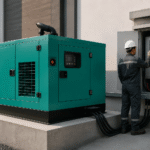
Generator Installation Cost in Nepal (2026): Complete Pricing & Buying Guide
Sep 10, 2026 | admin
-
IoT Enabled Genset: How Smart Generators Can Reduce Fuel Costs in Nepal
Sep 06, 2026 | admin
-
kVA vs kW: What’s the Difference? Simple Generator Power Guide
Sep 03, 2026 | admin
-
Best Generator for Hotel in Nepal (2026): Sizing, Silent Operation & Buying Guide
Aug 27, 2026 | admin
-
15kVA Generator Price in Nepal (2026): Features, Cost & Buying Guide
Aug 09, 2026 | admin
-
Silent Generator Price in Nepal (2026): Complete Price List & Buying Guide
Aug 03, 2026 | admin
-
Best Generator for Home Backup Power in Nepal: How to Choose the Right One (2026)
Jul 31, 2026 | admin
-
Kirloskar Generator Price in Nepal (2026): Best Buying Guide
Jul 20, 2026 | admin