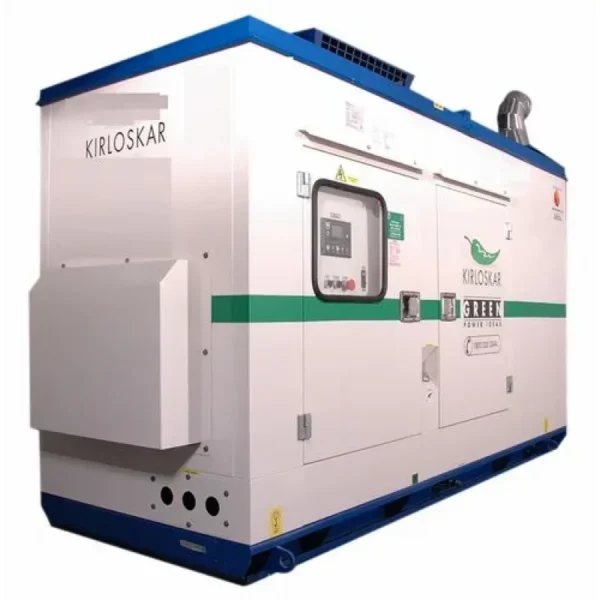
Generators are now a necessity in Nepal. In recent times, unexpected frequent power cuts have made construction sites, shops, and even homes rely on generators for power supply. Generators can also be hazardous and life-threatening when installed improperly. To avoid carbon monoxide poisoning, electrical shocks, fire, or burns, it is vital to observe some generator safety tips during installation and usage to safeguard your life and your property.
Key Takeaways
- Always ensure that the generators are operated outside for proper ventilation to avoid carbon monoxide poisoning.
- Ensure proper direction of exhaust gases away from living, working, and public areas.
- Ensure proper electrical connections to avoid electric shocks and fires.
- Ensure proper installation of carbon monoxide detectors.
- Comply with local/international safety standards for proper protection of lives and properties.
No matter if you are a homeowner, business owner, construction worker, or facility manager, this guide provides helpful information. The generator safety tips are provided considering global and local generator safety standards.
Understanding the Real Risks of Improper Generator Use
Generators are essential in Nepal, where power outages damage households, businesses, hospitals, and construction sites. Generators provide backup power, but misuse can be dangerous. Fuel-powered generators create heat, exhaust gases, electricity, and fuel vapor. The misuse of the generators puts you at risk of injury, damage to property, and death.
Here’s what generator owners must understand:
1. Carbon Monoxide (CO) Risks
Generators may produce hazardous quantities of carbon monoxide gas if they are not used correctly. To reduce the risk of CO poisoning hazards in Nepal, it is important to follow the following steps:
- Always operate outdoors: The generator should be kept outside and in well-ventilated areas.
- Maintain distance from buildings: The generator should be kept 6 meters (20 feet) away from houses, offices, and other buildings.
- Avoid windows and vents: The generator should be kept in such a way that its exhaust gases do not face windows and vents.
- Use proper ventilation: If you are working in a semi-enclosed area, proper ventilation should be maintained to reduce the risk of CO poisoning hazards.
- Install CO detectors: Install them in areas where people live and sleep to detect CO buildup.
By following the precautions listed above, CO buildup is prevented, thus keeping your family, employees, and neighbors safe from potential health hazards.
2. Electrical Hazards
A generator produces AC electricity, just like the power you get from the electric grid. Incorrect connections in the generator will lead to some serious dangers, such as:
- Electrical backfeed: Can endanger workers and neighbors.
- Home wiring damage: Wrong connections can burn your wires.
- Shock hazards: Incorrect grounding will lead to electrical shock
- Appliance damage: Incorrect connections in the generator can damage appliances.
Electrical generator safety tips in Nepal include:
- Always use a transfer switch to connect the generator to household wiring
- Proper grounding of the generator is a must
- Heavy cords should be used instead of long cords
- Do not try to connect the generator to household wiring
3. Fire, Burns & Fuel Dangers
Generators produce heat and need flammable fuels like gasoline or diesel. Inadequate handling of these fuels can cause burns or fires.
The major hazards are:
- Hot surfaces: Engine components, exhaust pipes, and exhaust mufflers can attain temperatures of 100°C or higher, which can cause severe burns.
- Fuel spills: Spilled fuel near a running or hot generator will catch fire and cause a fire. Spills must always be cleaned immediately.
- Static electricity: Inadequate handling of fuels in dry areas can cause sparks that can cause fires.
Key generator Safety tips:
- Turn off the generator before refueling.
- Store fuels in approved containers, which should be away from heat sources and living areas.
- Have a fire extinguisher nearby.
- Avoid smoking or sparks near fuel storage or generator use.
4. Noise Pollution
Generators, especially large diesel ones, make a lot of noise that can harm hearing. In Nepal’s residential areas, this noise can disturb people and may even break local noise regulations.
Prevention tips:
- The placement of the generators should be at a distance such that it does not reach the residential area.
- The facility should erect a soundproof enclosure or any type of barrier that could potentially curb the interfering emissions.
- The workers should be provided with ear protection while working near the generators.
5. Environmental and Respiratory Hazards
Generator exhaust contains harmful gases. These may result in respiratory problems, allergies, and asthma attacks, especially among children and the elderly.
Key Generator Safety Tips:
- The system needs adequate ventilation and proper gas exhaust.
- Generators should not be located close to playgrounds, hospitals, or residential areas.
- Regular maintenance helps reduce smoke and harmful gas emissions.
6. Mechanical Failures and Operational Risks
Generators are machines that have parts which, if not handled carefully, can be dangerous.
- The blades and belts can trap fingers and clothes.
- Engines seize when they are exposed to too much heat, leading to equipment breakdown and the risk of fire.
- Safety mechanisms fail because users set the levels of oil and fuel incorrectly, leading to equipment shutdown.
Safe Placement – Where You Should (And Shouldn’t) Run a Generator
Placing a generator correctly is one of the most important generator safety tips in Nepal. It helps prevent accidents, CO poisoning, fires, and property damage. In a crowded city like Nepal, where power cuts are common, proper positioning is a must for homes and businesses.
Why Generators Must Always Be Operated Outdoors?
Generators must not be operated indoors, even with windows or doors open. Using a generator in any enclosed or partially enclosed space is extremely dangerous.
Reasons for always operating your generator outdoors:
- Carbon monoxide (CO) hazard: Generators emit invisible and odorless carbon monoxide gas, which can be dangerous if accumulated indoors.
- Poor ventilation: Operating a generator in a garage is not sufficient for gases to escape.
- Heat and fire risk: Generators get very hot, and using them indoors can cause fires.
Proper Ventilation for Diesel Generators
Diesel generators are strong and efficient, but they emit dangerous gases. If these gases are not well ventilated, they can be hazardous to one’s health.
- Use open spaces for the installation of the generators.
- Make sure that the exhaust gases are not directed towards people and structures.
- Do not install the generators in enclosed spaces such as basements, garages, or sheds.
- Good ventilation of the generators will make them more efficient and will also increase their lifespan.
Proper ventilation of the generators is not only healthy but also ensures that the generators are working properly in Nepal.
Preventing Carbon Monoxide Poisoning from Generator Use
Carbon monoxide (CO) is one of the most dangerous risks from using generators. Knowing what CO gas is, how generators produce the gas, and how to prevent risks is important when using a fuel operated generators.
What carbon monoxide is and why it’s deadly?
Carbon monoxide is an invisible, odorless gas made when fuels like gasoline, diesel, or LPG don’t burn completely. Because it is undetectable by smell or sight, CO can accumulate without warning.
Once inhaled, CO combines with the blood’s hemoglobin 200-250 times more easily than oxygen. This can cause the body’s vital organs to shut down, including the brain, heart, and lungs, due to the absence of oxygen. This has serious health repercussions.
Prolonged levels of CO in the body have the following health impacts:
- Confusion or extreme lethargy
- Severe headaches
- Difficulty breathing
- Nausea or vomiting
- Loss of consciousness
- Death in some cases
CO poisoning kills hundreds worldwide annually. In Nepal, poorly ventilated generators are a leading cause of accidental deaths.
Symptoms of CO exposure
It is important to identify CO poisoning from a generator at an early stage. The symptoms of CO poisoning include:
- Dull, persistent headache
- Weakness or fatigue
- Dizziness or lightheadedness
- Nausea or vomiting
- Shortness of breath
- Confusion or irritability
- Blurred or impaired vision
- Loss of consciousness (in severe cases)
Installing CO detectors in homes and offices
Carbon Monoxide, or CO, cannot be seen or smelled unless you use a device to detect it. A carbon monoxide detector is a life-saver. It will warn you when the level of carbon monoxide in the air is getting too high to be safe. It is very important in Nepal, especially when using generators in homes, offices, clinics, and construction sites, to stay aware of such dangers.
Best Practices for CO Detector Installation
To provide maximum safety:
- Installing a detector on each floor: It helps detect carbon monoxide early anywhere in the building.
- Installing detectors near bedrooms: This is because CO is most dangerous during sleep, when symptoms are hard to notice.
- Testing alarms every month: This ensures the detector works and gives timely alerts.
- Replacing batteries regularly: This is because a detector without batteries is useless.
- Using digital detectors: This is because they show you real-time readings.
Emergency Response if CO Exposure Is Suspected
A small amount of carbon monoxide can be dangerous. If you suspect you or someone else might have carbon monoxide poisoning:
- Turn off the generator immediately: Stopping the generator stops the carbon monoxide buildup.
- Move all people to fresh air outside: Remove all persons in the building, employees, and visitors to a safe area.
- Call medical services right away: Receiving immediate medical treatment will prevent health problems in the future.
- Do not re-enter affected areas until declared safe: Only qualified persons should investigate the generator and indoor air.
Electrical Safety – Protecting Your Home and Equipment
Generators are a good source of backup power. However, improper electrical connections are extremely hazardous. Electrical accidents have the potential to cause damage to property, injuries, and death. Awareness about the dangers and appropriate safety devices is the need of the hour for every homeowner, business, or workplace in Nepal. Professional installation ensures compliance with electrical safety standards in Nepal.
Why a Transfer Switch Is Essential?
A transfer switch lets you connect a generator to your home or office safely. It prevents dangers caused by direct wiring connections.
You are vulnerable to the following risks if you do not have a transfer switch installed in your home or office:
- Backfeeding into utility lines: This can endanger the utility electrical maintenance personnel. It can also damage your neighbor’s electrical wiring.
- Electrical shocks: The wiring also has the potential to cause electrical shocks to any person who touches any of the appliances, wiring, or generator.
- Circuit overloads: The household wiring has the potential to be damaged due to overloads from the electrical demands of the generator.
- Appliance damage: The computers, refrigerators, and television sets have the potential to be damaged due to voltage fluctuations from the generator.
Advantages of Professional Installation
Proper installation of a transfer switch is a necessity. The various safety benefits offered by professional electricians in Nepal are:
- Safe isolation from grid power: This ensures that there is no reverse flow of electricity into the grid.
- Compliance with local electrical codes: This ensures that your generator installation is safe and legal.
- Reduced risk of shocks and appliance damage: This is accomplished through proper grounding and wiring.
- Professional load assessment: This ensures that the capacity of the generator is appropriate for the electrical load required in your home or establishment.
Using the Right Extension Cords and Avoiding Generator Overload
A generator that is installed correctly can also pose risks if the appliances are not connected in the right manner. The use of appropriate extension cords and knowledge of the generator’s capacity are key factors in avoiding electrical safety hazards, fires, and damage to appliances.
Using the Right Extension Cords
For temporary power connections, generators may require extension cords. However, using the wrong type of cord can create serious safety hazards.
Best practices for generator extension cords:
- Heavy-duty construction:Cords with the ability to carry large currents without heating up are required.
- Outdoor-rated: Cords used in this circuit must be rated for use outdoors.
- Three-pronged (grounded): Grounded cords are preferred for use in these circuits to avoid electrical shock.
- Correct wattage rating: The cord used should be rated to operate at the combined wattage of all appliances being used.
Avoiding Generator Overload
Each generator has a maximum rated capacity, and this is normally given in watts. When a generator is overloaded with too many devices, it can cause severe effects, which include:
- Overloading can cause a generator to shut down due to overload protection
- It can cause a circuit to trip, resulting in electrical breakers
- It can cause overheating of the generator engine
- It can cause a fire, especially if the wiring is overstressed
How to prevent overload:
- Calculate total wattage: This is done by adding up all the devices that you wish to connect.
- Include motor startup loads: Fridges, air conditioners, and pumps need more power when they start up.
- Leave a safety margin: Never operate your generator at full capacity. Instead, operate it at 70-80% capacity.
- Monitor performance: Sudden surges in power can cut short the life of your engine and damage sensitive electronics.
Safe Fuel Handling and Storage Practices
One of the most important generator safety tips is fuel safety. In Nepal, where gasoline, diesel, and LPG fuel types are used, improper handling can cause fire, explosions, or severe burn injuries.
Following the right safety procedures will not only ensure that you are safe, but it will also protect your property.
Operational Fueling Safety
Adding fuel to the generator can be a very simple process, but if not done properly, it can be very dangerous.
Essential fuel handling practices:
- Turn off the generator before refueling: Never refuel while the engine is running or hot. Fuel vapors can ignite instantly if they come into contact with heat or sparks.
- Avoid smoking or sparks nearby: ensure that there are no open flames or spark-producing tools near the generator during fueling.
- Wipe up fuel spills immediately:Fuel spills around the generator housing, floor, and surrounding areas are highly prone to fires.
- Keep a fire extinguisher nearby: It is essential to have a fire extinguisher designed for Class B fires or a multi-purpose extinguisher nearby when working with fuels.
- Be aware of hot surfaces: Engine blocks, exhaust pipes, and mufflers can get extremely hot, causing fuel vapors to ignite.
Approved Fuel Storage Practices
Storage of fuel in a safe way is also an important consideration to prevent accidents, particularly in a tropical country like Nepal.
Guidelines for safe storage of fuel:
- Use certified containers: Only use containers that are certified for fuel storage. Glass containers should not be used. In addition, only certified containers should be used for fuel storage.
- Store fuel outdoors in shaded, ventilated areas:Fuel should not be stored in an area where it will not get enough ventilation. This could cause pressure to build up in the container.
- Keep fuel away from living spaces and heat sources: Fuel should never be stored near residential areas, offices, generators, fire, sparks, or hot engine parts.
- Label fuel containers clearly: Do not use fuels for the wrong purposes or mix them up.
Keeping Your Generator Dry and Weather-Protected
Generators are valuable equipment, but they are vulnerable to rain, moisture, and extreme weather conditions. In Nepal, where monsoon rains and sudden weather changes are common, protecting your generator from water is essential for both safety and longevity.
Why Weather Protection Matters?
Water and electricity are a deadly combination. However, there could be several issues with the generator in case it gets exposed to moisture. The issues are as follows:
- Short circuits:A short circuit might occur due to the presence of water. A short circuit means the presence of a direct flow of electricity.The presence of even a small amount of water causes short-circuiting.
- Corrosion of electrical parts:The electrical parts of the generator are constantly exposed to moisture. The electrical parts of the generator rust. The parts of the engine rust due to moisture.
- Increased risk of electric shocks: There is a possibility of electric shocks because of the presence of moisture.
- Reduced generator lifespan: The moisture can reduce the lifespan of the generator. The parts of the generator will be damaged due to the presence of moisture.
Safe Weather Protection Practices
However, the installation will be able to reduce the risks associated with the weather in the following ways:
- Place the generator on a dry, elevated surface
- This will ensure that the generator is not in contact with water in case of rain or flooding.
- It is recommended to use concrete or wood for the surface.
- Use a weatherproof canopy or shelter
- Canopies or shelters will protect the generator from rain, snow, and sunlight while at the same time ensuring proper ventilation.
- Avoid fully enclosed sheds that block airflow
- It is recommended to avoid fully enclosed shelters since they may cause the generator to overheat and accumulate carbon monoxide.
- Design shelters to prevent water contact with electrical components
- It should not rain in the electrical outlets, connections, or in the engine.
- Proper ventilation should also be provided in shelters to avoid the accumulation of hot gases.
Routine Maintenance for Long-Term Safety
A well-maintained generator not only guarantees safety while using the generator, but it also becomes efficient and effective in service. In Nepal, power cuts are common, and in many houses, offices, clinics, and even in construction work, generators are used for power supply. Thus, proper generator maintenance is a necessity to make sure that you are ready with an alternative source of power when you need it most.
Generator Maintenance Checklist
Regular maintenance will keep your generator safe, reliable, and efficient. Here is a simple checklist that you can follow to keep your generator running smoothly when you need it most.
- Oil Change
- Air Filter Cleaning/Replacement
- Battery Inspection and Charging
- Spark Plug Examination (Gas Engines)
- Fuel Filter Replacement
- Cooling System Checks
- Electrical Grounding Checks
- Load Bank Testing
Following these generator safety tips in Nepal keeps your generator reliable when power outages occur.
Safety Around Children, Employees, and Worksites
Generators are not equipment to be taken lightly. In Nepal, people face dangers from improper generator use, which occurs in homes, offices and construction sites and all other work environments. The proper generator maintenance tips create an effective solution that prevents this situation from occurring.
Keeping a Safe Distance from Hot Surfaces
The engines, exhaust pipes, and mufflers of generators are extremely hot. Touching these parts can cause severe burns.
Safety Guidelines:
- Children and pets should be kept at a distance from the running generator.
- Proper methods of operating a generator should be taught to all.
- Barriers should be placed around the generators at construction sites.
Marking Operational Zones
It is important to clearly define the operational zones in commercial, industrial, and construction areas for safety reasons.
Best Practices:
- Generator operational zones should be designated through signs, cones, and markings.
- The following areas of special danger should be marked: electrical hazards and hot surfaces, and fuel handling areas.
- The supervisors must check the compliance with safety procedures and strictly enforce the regulations.
Workplace Compliance Considerations
In workplaces, generators need documented safety procedures to safeguard workers and visitors.
Key Measures:
- All operators and workers should be trained on generator safety, startup, shutdown, and emergency procedures.
- Document safety procedures for all workers to follow.
- Supply personal protective equipment (PPE) like gloves, goggles, and insulated boots.
- Record inspection and safety data to monitor compliance and detect potential dangers early.
By complying with workplace compliance, the risk of accidents is minimized, and the culture of safety awareness is promoted.
Why Buying From an Authorized Dealer Improves Safety?
Buying a generator from an authorized dealer in Nepal is more than just a matter of convenience; it is a matter of safety. In Nepal, where power backup is a necessity, choosing a reliable brand, such as a Kirloskar generators, is sure to provide you with the best results in terms of efficiency and safety. Buying a generator from an authorized Kirloskar generator dealer in Nepal will ensure that you get the best.
1. Genuine Parts and Manufacturer Warranty
Dealers provide genuine spare parts, which are safe and of high performance, thus reducing the likelihood of spare parts failing and not being under the warranty of the manufacturer, which is not possible with unbranded spare parts.
2. Professional Installation Support
A generator requires professional installation to be safe and efficient. Dealers provide professional installation support, which includes:
- Transfer switch installation
- Load calculation
- Correct grounding
For Kirloskar generators, professional installation support is essential for smooth running, safe appliances, and electrical safety.
3. Correct Load Assessment
Dealers assist you in selecting a generator that is of sufficient size for your requirements. The selection of the size of the generator requires proper attention because, in case of improper selection, it will lead to the overload of generators, which will create problems in their operation and will also increase fuel wastage in residential areas, office areas, and construction sites in Nepal.
4. After‑Sales Service and Safety Checks
The generator requires servicing from an authorized dealer because this procedure guarantees the generator will remain safe and operational for an extended period.
Selecting a trusted brand like Kirloskar generators in Nepal will ensure efficient and safe power backup for homes, offices, and construction sites.
Frequently Asked Questions About Generator Safety
Q1: Can I run a generator inside my garage if the door is open?
No. Even though the garage door is open, exhaust gases such as carbon monoxide (CO) can build up quickly and can even lead to death. The generators must always be used in well-ventilated areas.
Q2: How far should a generator be from my house?
Your generator should always be kept at a distance of at least 6 meters or 20 feet away from any building, windows, doors, gutters, and air vents. This will prevent the buildup of CO and reduce the hazards of fire and electrical shock.
Q3: Is a transfer switch mandatory in Nepal?
It is highly recommended to use a transfer switch when you plug your generator into your home or office. Not only is it safe, but it can prevent electrical backfeed, which can damage your wiring and appliances.
Q4: How often should I service my generator?
It must be maintained in line with the manufacturer’s instructions, which require it to be maintained every 100-200 hours of operation, or at least once a year. The generator must be maintained regularly to operate efficiently and safely.
Q5: Why should I buy a generator from an authorized dealer in Nepal?
Dealing with authorized dealers will provide you access to genuine spares, installation services, assessment of your load requirements, and after-sales support. The system will ensure safe operation through the incorporation of safety features. This will minimize operational risks while increasing the lifespan of the generator.
Conclusion: Safe Power Starts With Responsible Ownership
Generators are very useful for backup power, construction purposes, and business operations. Nevertheless, following proper generator safety tips in Nepal, generators should be handled carefully. In using a generator safely, you have to consider the following factors: location, ventilation, electrical connections, fuel consumption, maintenance, and professional advice. You must use a generator outside your home to avoid carbon monoxide poisoning. You must use transfer switches and electrical connections to avoid overload usage. You must use generators safely in handling fuels to avoid accidents and perform regular maintenance for better efficiency.
Are you in Nepal and looking for a safe and reliable backup power service? You must look for a reliable Kirloskar generator in Nepal. At BRT International, we are an authorized Kirloskar generator dealer in Nepal, offering genuine Kirloskar generators. We offer safe, efficient, and convenient service for your generator.
Contact us today for a genuine Kirloskar generator in Nepal. We ensure your generator is safe and reliable for your usage.
Popular Posts



Recent Posts
-
Kirloskar R Series vs SL Series: Which Generator Is Right for You?
Oct 06, 2026 | admin
-
Generator Overheating: Causes, Quick Fixes and Prevention Tips (Nepal Guide)
Oct 02, 2026 | admin
-
Diesel Generator Working Principle: The Complete Guide (2026)
Sep 27, 2026 | admin
-
Common Generator Problems in Nepal: Causes, Solutions, and Maintenance Tips
Sep 23, 2026 | admin
-
Generator Installation Cost in Nepal (2026): Complete Pricing & Buying Guide
Sep 10, 2026 | admin
-
IoT Enabled Genset: How Smart Generators Can Reduce Fuel Costs in Nepal
Sep 06, 2026 | admin
-
kVA vs kW: What’s the Difference? Simple Generator Power Guide
Sep 03, 2026 | admin
-
Best Generator for Hotel in Nepal (2026): Sizing, Silent Operation & Buying Guide
Aug 27, 2026 | admin