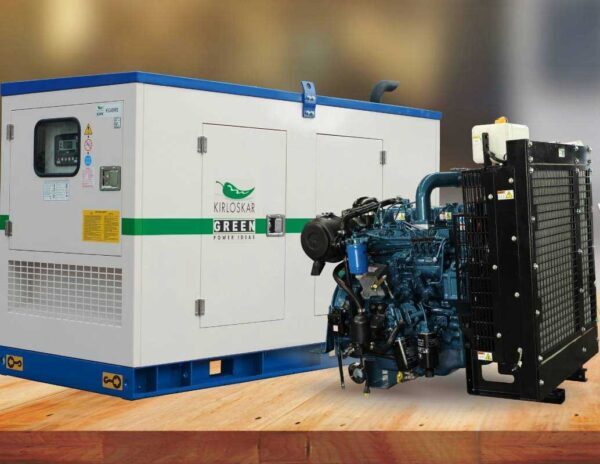
Introduction: Why Timely Generator Part Replacement Matters?
In Nepal, generators are more than just backup systems. They are essential for factories, hospitals, hotels, big establishments, telecom towers, and businesses. Diesel generators get worn out quickly from frequent load changes, dust, and long hours of use. If the generator parts replacement is delayed, it may lead to failures, increased fuel consumption, and repairs. Small parts may lead to failures.
A proactive approach to diesel generator maintenance keeps your power supply reliable. It protects important engine parts. It also saves money in the long run. This generator maintenance checklist shows you when to replace key generator parts. That way, you can prevent problems before they happen.
Understanding Generator Wear and Tear
Diesel generators are built to last, but they wear down over time like any mechanical system. Understanding this helps operators plan generator parts replacement and prevent sudden breakdowns.
How do diesel generators naturally degrade over time?
During its period of use, some parts of the generator get exposed to stress, heat, vibrations, and pressures resulting from the combustion process.
This results in:
- Degradation of oil, which loses its lubricating properties
- Accumulation of dust, soot, and fuel contaminants in the filters
- Hardening and cracking of the rubber parts
- Degeneration of the electrical parts as a result of exposure to heat for long periods
These parts, despite proper servicing, have a limited period of use. When the parts get worn out, the efficiency of the generator reduces. If not replaced, the parts can cause serious damage to the generator’s engine or the alternator.
Impact of load, environment, dust, and temperature in Nepal
Operating conditions in Nepal can also accelerate wear on a generator, making preventive generator maintenance checklist:
- Load fluctuations put a strain on engines and alternators when the grid supply is not stable
- High dust levels mean filters get dirty quickly, which reduces airflow and fuel supply
- Temperature extremes can impair battery life, coolant efficiency, and engine seals
- Long running times during power cuts mean increased wear on a generator
This means that preventive generator maintenance is important for a generator to function well in Nepal. Replacement of parts is essential for a generator to function well.
Difference between routine maintenance and part replacement
Both routine maintenance and generator parts replacement are important for generator care. Routine maintenance finds problems early and keeps the generator running smoothly. Part replacement swaps out worn components. This keeps the generator working reliably for a long time.
| Aspect | Routine Maintenance | Part Replacement |
| Purpose | To maintain existing performance and avoid small problems from becoming bigger problems | To regain full operating capacity by replacing worn or non-functioning parts |
| Focus | Carrying out inspections, cleaning, lubricating and minor adjustments | Replacing old parts with new, working parts, and functional components |
| Examples | Checking oil and other fluid levels, cleaning filters, and tightening loose connections | Changing engine oil, replacing fuel/air filters, and purchasing a new battery or belts |
| Timing | Done regularly (e.g., daily, weekly, or according to operating hours) | Scheduled according to part life expectancy or as needed |
| Outcome | Maintains performance and detects early warning signs | Regains full operating capacity and prevents major failures |
| Cost Pattern | Lower cost in total, incurred over time | Individual parts are more costly, preventing costly repairs |
| Risk Reduction | Reduces unexpected problems | Eliminates risk from worn or non-functioning parts |
| Example in Practice | Inspecting hoses and belts | Replacing an alternator belt that shows signs of cracking |
| Effect on Longevity | Slows down degradation | Extends the lifespan of the generator |
Engine Oil – The First Component You Should Never Ignore
The engine oil is considered to be the lifeblood of the diesel generator, as it lubricates, reduces friction, controls heat, and provides protection to the engine. Failure to monitor oil change in a generator leads to its failure in Nepal. This is mostly the case in generators that have been running for a long time in harsh environments.
Signs Your Generator Oil Needs Replacement
It is important that you use the right oil in your generator to ensure that your engine is running smoothly.
Below are some of the key signs that you should change the oil in your diesel generator:
- Dark or gritty oil – This is a clear indication that your oil is no longer clean, meaning that it is no longer lubricating.
- Engine overheating – This is a clear indication that your old oil is no longer effective in cooling the engine.
- Unusual engine noise – Grinding sounds are an indication that your engine is no longer well lubricated.
- Decrease in Fuel Efficiency – This is a clear indication that your old oil is no longer effective, meaning that there is increased friction.
- Oil pressure warnings – A sudden drop in oil pressure is an indication that the oil is no longer working properly.
Regular observation of these signs will help prevent serious damage to the engine.
Recommended Oil Change Intervals
The lifespan of the oil depends upon the running hours, surroundings, and load. The general recommendation for the replacement of the oil used in the diesel generators is as follows:
- 200 to 250 running hours for normal running conditions.
- Earlier replacement in dusty, high-load, or extreme temperature environments.
- Always replace the oil filter along with the engine oil to ensure full engine protection.
Timely oil replacement is a key part of preventive generator maintenance and generator parts replacement. It helps keep your generator efficient and reliable.
Air Filters – When Restricted Airflow Reduces Performance
Air filters are very important for a diesel generator. They keep the engine’s airflow clean. A dirty and clogged air filter results in inefficient engine performance. Moreover, it raises fuel costs and can even damage the engine. In the Nepalese scenario, generators are employed in a dusty environment. Therefore, a clean air filter is necessary.
Warning Signs of a Clogged Air Filter
- Reduced engine power – The generator fails to maintain the required load.
- Black or sooty exhaust smoke – this indicates that there was an incomplete combustion process due to a lack of airflow.
- Increased fuel consumption – This occurs when the engine works harder to produce the same amount of power.
- Rough engine operation or stalling –This occurs when the engine fails to work under load.
- Unusual engine noises – Whistling or hissing sounds coming from the air intake section.
Replacement Timeline for Dusty Environments
- Check air filters every 250 hours, or more often in dusty areas.
- Replace every 500 hours, or sooner if very dirty.
- Clean reusable filters with compressed air; replace permanently clogged ones.
Cleaning air filters is a significant aspect of preventive generator maintenance. This will help your generator function properly for a long time.
Fuel Filters – Preventing Engine Damage
Fuel filters safeguard your diesel generator from dirt, water, and rust in fuel. A dirty fuel filter will decrease fuel supply, making your engine less efficient. It may also damage the fuel injectors or the fuel pump. Regular checks will ensure that your generator is in good condition. Generator parts replacement will ensure the proper functionality of your generator. This is important in Nepal because fuel quality is not guaranteed.
Symptoms of a Dirty Fuel Filter
- Hard starting – The engine is not able to start properly due to a lack of fuel.
- Stalling or hesitation – The engine stalls due to a lack of fuel.
- Loss of power output – The generator is not able to produce enough power due to a lack of fuel.
- Unusual noises from the engine – These sounds occur due to a faulty fuel supply system.
- Presence of black smoke from the exhaust – These occur due to a faulty fuel supply system.
It is important to identify these symptoms early enough to avoid damage to your engine.
How Often Should Fuel Filters Be Replaced?
- Every 500 running hours for standard operating conditions.
- Earlier replacement may be needed in areas with contaminated or poor-quality fuel.
- Always follow manufacturer recommendations for filter type and replacement intervals.
- Replacing fuel filters on time protects the engine and keeps it efficient.
Proper fuel filter care is a key part of a preventive generator maintenance schedule. It helps prevent breakdowns and extend engine life.
Battery – The Most Common Cause of Generator Failure
The battery of the generator is essential for starting the engine and powering control systems. The battery is small, yet one of the top reasons for downtime is a failed battery. The temperatures are very high, which may affect the battery, but one should always keep an eye on it and change it accordingly.
Signs Your Generator Battery Is Failing
- Slow or failed engine start – The generator is taking longer than normal to start, or it is failing to start.
- Frequent jump-starting – This indicates that the battery is failing to hold a charge.
- Corrosion on terminals – This indicates that there is a problem, and one should change the battery.
- Warning lights on the control panel – This indicates that the battery is failing to hold a charge.
- Swelling or leakage – This indicates that the battery is damaged, hence one should change the battery.
Identifying these signs on time is essential to ensure that one’s power is not cut off, and all the parts of the generator are functioning well.
Average Battery Lifespan
- Lead acid batteries: Generally, 2 to 3 years under normal conditions of service.
- Maintenance-free batteries: They can last for 3 to 4 years, but periodic tests must be performed.
- Short battery life in harsh conditions: Heat, dust, and infrequent use can wear out the battery.
- Best practice: Test batteries yearly and replace them before they fail.
Timely battery care is a key part of preventive generator maintenance and generator parts replacement. It helps your generator start reliably and lasts longer.
Coolant and Radiator Components
The cooling system keeps the engine at the right temperature. It includes the radiator and coolant. This helps prevent overheating. In diesel generators, overheating can lead to serious engine damage or even complete engine failure. Checking the coolant level, radiator, and hoses is very important. This is very important in Nepal. Generators may be required to work for long periods in hot or dusty conditions.
Signs of Cooling System Issues
- Engine Overheating – This is the obvious sign of a malfunctioning cooling system.
- Coolant Leaks – This can be indicated by coolant puddles or coolant dripping around the generator.
- Rust or Scale in the Radiator – This indicates coolant contamination.
- Frequent Shutdowns – This may be an attempt to protect the generator from overheating.
- Swollen or Cracked Hoses – Rubber hoses tend to deteriorate over time due to heat and pressure.
Detection of the above signs in the early stages will prevent costly repairs for the engine.
Coolant Replacement Intervals
- Every 12 months or 2,000 running hours for most diesel generators.
- Change the coolant completely during a replacement to ensure all residues are removed.
- Hoses, clamps, and radiator fins should be inspected during servicing.
- Use recommended types and concentration rates of coolant to ensure maximum efficiency.
Coolant and radiator maintenance are crucial in the preventive maintenance of generators. This increases the lifespan of the engine, allows it to run smoothly, and prevents it from breaking down.
Belts and Hoses – Small Parts, Big Problems
Belts and hoses are small components of a diesel generator set; however, they are extremely important for smooth running. They are used to transmit power, cool the generator, and move fluids. Failure to maintain these parts may result in breakdowns, which may be costly.
Cracks, Fraying, or Looseness
A crack or fraying on a rubber belt may be caused by:
- Exposure to heat, vibrations, and aging
- Looseness or stretching of the rubber belt
- Hardening of the rubber belt, etc.
It may sound petty, but a change in a rubber belt may affect the engine’s performance.
Risk of Sudden Breakdown
Failure of belts and hoses may lead to:
- Engine Overheating due to failure of the coolant hose.
- Loss of Alternator and Pump.
- Unexpected Generator Shutdown.
Since belts and hoses are relatively inexpensive to change compared to the engine, they should be replaced in a timely manner.
Visual Inspection Routine
- Inspect belts and hoses every 250 running hours or during routine maintenance checks
- Look for cracks, fraying, looseness, or leaks
- Replace the belts and hoses that show signs of wear at once
- Make sure the belts and hoses are properly tightened after replacement
Replacing belts and hoses is essential for generator parts replacement and preventive generator maintenance.
Spark Plugs or Injectors – Performance Indicators
Spark plugs (petrol) and injectors (diesel) have an important role in the proper functioning of the engine. However, if they malfunction, the generator will lose power, use excess fuel, and even get damaged.
Common Symptoms of Faulty Spark Plugs or Injectors
- Hard start – The generator may take a long time to start.
- Low power output – The generator is not in a position to produce its maximum power output.
- High fuel consumption – The generator is consuming excess fuel due to the failure of the spark plugs and injectors.
- Unusual engine sounds – The engine is making unusual sounds due to the failure of the spark plugs and injectors.
When Professional Inspection Is Required
- Ongoing performance problems despite regular maintenance
- Inconsistent performance of the engine’s cylinders or unusual exhaust smoke
- Having difficulty troubleshooting fuel delivery systems and/or ignition systems
A professional inspection will ensure that the spark plugs and/or injectors are properly calibrated, replaced, and cleaned for maximum efficiency, cost savings, and longer engine life.
Control Panel and Electrical Components
The control panel and electrical components are at the core of a diesel generator. They monitor engine performance, voltage, and start/stop functions. Malfunctions in these areas can cause unstable power or unexpected shut-offs. Regular maintenance is very important.
Common Issues with Control Panels and Electrical Components
- Flickering display – It can be caused by unstable voltage or loose wiring connections.
- Fault Codes – These are warning or error messages that are displayed on the panel. They show the faults that have to be rectified.
- Voltage Fluctuations – These may cause problems in the equipment connected to the generator.
- Unexpected Shutdowns – These may result from faulty sensors or electrical faults.
Importance of Professional Diagnosis
It is hard to find electrical faults without the proper training and equipment. DIY electrical faults may result in:
- More damage to the alternator or voltage regulator
- Safety hazards, such as electrical shock
- Loss of warranty
A professional may find the electrical faults and rectify the problems. This will ensure the proper functioning of the generator.
A Simple Generator Parts Replacement Timeline (By Running Hours)
Having a parts replacement timeline can aid in the preventive maintenance of the generators. The schedule is for normal diesel generator use, with changes for Nepal’s dust and long running hours.
Every 250 Hours
- Engine oil and oil filter check –Check the engine oil level, quality, etc. Replace the oil filter, if necessary, because of dirt accumulation.
- Visual inspection of belts and hoses – Check belts, hoses, etc., for signs of wear, such as cracks, fraying, etc. Check that all belts, hoses, etc., are properly secured.
- General mechanical check – Ensure all fasteners, clamps, and connections are tightened properly.
Every 500 Hours
- Fuel filter replacement – This is to ensure proper fuel flow while at the same time protecting the fuel injectors and pumps.
- Air filter inspection – This must be cleaned or changed to ensure maximum airflow for proper combustion.
- Cooling system check – This is done by checking the radiator hoses as well as the coolant level.
Annually
- Battery testing or replacement – The battery needs to be tested and replaced if needed.
- Coolant replacement – This needs to be replaced to avoid overheating and corrosion.
- Full professional inspection – A professional needs to inspect all main components to ensure their reliability.
This timeline is very important in ensuring that the generators are reliable, durable, and cost-effective in terms of maintenance.
Why Genuine Spare Parts Matter?
Using genuine parts is essential for the performance and safety of your generator. Using cheap or fake parts may result in problems, which may cost you more in the long run.
- Performance and Efficiency: Original parts will ensure that the generator works as expected since they have been approved by the Original Equipment Manufacturers (OEMs).
- Warranty Protection: Most manufacturers of generators make a requirement that genuine parts be used for the warranty to be effective. If fake parts are used, the warranty may not apply, which may cost you a lot in the long run.
- Long-Term Cost Savings: Although genuine parts may cost you a lot initially, there are long-term benefits in that there will be no chance for the generator to break down, hence saving you a lot.
Risks of Using Counterfeit or Low-Quality Parts
- Premature wear or failure of parts in the engine
- Reduced efficiency in combustion and increased fuel consumption
- Possible damage to alternators, pumps, and sensors
- Increased downtime and unplanned operating expenses
It is essential to use genuine parts for preventive maintenance. This ensures that your generator remains safe and reliable while saving you money in the long term.
When to Call a Professional Service Team?
Some generator work can be done at home, but serious issues need a professional. Recognising when to call a trained technician ensures safety, reliability, and optimal performance.
Key Situations Requiring Professional Service
- Persistent warning lights – If the warning light stays on, there may be a problem with the engine or electrical system.
- Repeated shutdowns – When a generator keeps shutting down, it might be a major issue that requires attention.
- Major component wear – When there is a problem with the engine, alternator, injector, etc., a professional can repair the generator.
- Load-related issues – When a generator is not able to handle a load, a professional can repair it.
Getting professional help on time reduces downtime. It prevents costly repairs. It ensures the smooth operation of your generator.
Preventive Maintenance vs Emergency Repairs
Maintenance is the foundation for the smooth running of the generator. Many people have the tendency to wait until the machine breaks down before they undertake any maintenance activities. However, preventive maintenance is cost-effective, and the machine will keep running.
Cost Comparison
- Preventive maintenance includes scheduled inspection, replacement of parts, and servicing, all of which are predictable, relatively low, and spread out over time.
- Emergency repairs happen after a breakdown. Emergency repairs happen after a breakdown. Emergency repairs often cost a lot. They may require replacing several parts. They can also disrupt vital processes.
Preventive maintenance reduces costs and helps protect your generator from severe damage.
Downtime Risks for Businesses
If there is a failure in a generator, it can lead to serious issues for a business, including:
- Production stoppage in factories and workshops
- Service stoppage in hospitals, hotels, and telecommunication systems
- Increased labor costs due to breakdowns
- Equipment damage caused by voltage changes
Preventive maintenance is performed to ensure that the generator is operating at its optimal level.
Importance of Annual Servicing Contracts
Annual servicing contracts with professional technicians guarantee:
- There is regular inspection and replacement of parts that need to be replaced.
- There is an expert diagnosis of potential problems before they become major issues
- There is compliance with the manufacturer’s guidelines and warranty requirements
- There is peace of mind and a continuous power supply for businesses and essential operations
Preventive maintenance is safer, more reliable, and less costly than repairs.
Conclusion: Replace Early, Save More
Prompt generator parts replacement ensures that your generator is always reliable and efficient, and you save money at the same time. It is essential to be aware of critical warning signs on your generator. This includes checking your engine oil, air and fuel filters, and battery. Also check coolant levels, belts, hoses, and control panel alerts. Addressing these issues early will ensure that the generator does not fail. It will also be cheaper to repair the generator, and it will last longer. The generator will run smoothly if it is well inspected, maintained, and repaired with genuine spare parts.
Note: It is cheaper and safer to replace parts before the generator fails than to wait for it to fail.
Keep Your Generator Performing at Its Best
BRT International, an authorized dealer of Kirloskar generators, offers genuine generator spare parts.
📞 Call BRT International today for service or spare parts.
Popular Posts
Recent Posts
-
Kirloskar R Series vs SL Series: Which Generator Is Right for You?
Oct 06, 2026 | admin
-
Generator Overheating: Causes, Quick Fixes and Prevention Tips (Nepal Guide)
Oct 02, 2026 | admin
-
Diesel Generator Working Principle: The Complete Guide (2026)
Sep 27, 2026 | admin
-
Common Generator Problems in Nepal: Causes, Solutions, and Maintenance Tips
Sep 23, 2026 | admin
-
Generator Installation Cost in Nepal (2026): Complete Pricing & Buying Guide
Sep 10, 2026 | admin
-
IoT Enabled Genset: How Smart Generators Can Reduce Fuel Costs in Nepal
Sep 06, 2026 | admin
-
kVA vs kW: What’s the Difference? Simple Generator Power Guide
Sep 03, 2026 | admin
-
Best Generator for Hotel in Nepal (2026): Sizing, Silent Operation & Buying Guide
Aug 27, 2026 | admin