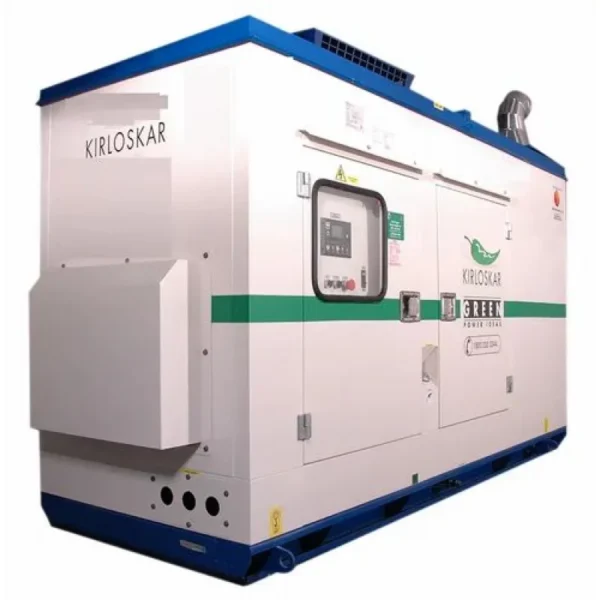
Introduction
In Nepal, backup generators act as the backbone for homes, offices, and even enterprises. They provide power when the electricity goes out. But generator maintenance tips are often ignored until a failure happens. Generators are “standby” assets; they stay out of sight and out of mind until a blackout hits.
In 2026, more Nepalese will have smart devices, sensitive electronics, and high-end electrical equipment in their homes and offices. This means that they will need a good standby power source. Avoiding system mistakes before they happen is better than fixing them after the fact. This is called “Reactive Repair.” A method called “Preventive Maintenance” is a good way to keep a generator in good shape.
It will be costly, take a long time, and maybe even damage your generator if you wait to fix it until it breaks down. If you follow some easy generator maintenance tips, your generator will always start when you need it to. This guide will show you how to keep your generators safe with weekly generator maintenance and monthly generator maintenance, saving time and money.
Why Regular Generator Maintenance Is Critical?
Regular generator maintenance is essential. Proper generator maintenance tips can help us get a reliable power supply with a longer lifespan.
Impact of Poor Maintenance on Generator Performance
1. Reduced efficiency and unstable power output
Poor generator maintenance will result in the generators not functioning in optimum capacity. Dust can build up in the filters, fuel injector, and combustion chamber.
This leads to the following effects:
- Lower fuel combustion efficiency: The engine has to work more and consume more fuel.
- Voltage and frequency instability: Worn parts can potentially cause voltage and frequency instability. Voltage and frequency can damage computers.
- Overall decreased operational reliability: Voltage variations can degrade operating reliability in this generator.
Poor generator maintenance tips reduce diesel generator efficiency by 10–20%, resulting in excessive fuel consumption and poor performance.
2. Increased fuel consumption and emissions
When the performance of the engine is poor, the engine ends up consuming more fuel. These are the reasons for filters, oil, and burning inefficiently.
- Raises operational costs: The improper use of energy is always reflected in the costs of operations.
- Increases environmental emissions: The burning is never thorough, thus pollutants are emitted.
- Accelerates component wear: Impurities in the fuel oil also accelerate the wear of the engine components.
Proper generator maintenance tips maximize efficiency while lowering emissions.
Understanding Generator Maintenance Schedules
For effective generator maintenance, one also needs a schedule, especially with daily, weekly, and monthly generator maintenance, so it will be safe, efficient, and long-lasting.
Difference Between Daily, Weekly, and Monthly Maintenance
1. Daily Generator Maintenance
Daily generator maintenance ensures that a generator operates and starts anytime by making regular checks on a day-to-day basis.
Typical tasks include:
- Visual inspections of signs of leakage, loose parts, or corrosive buildup
- Checking the levels of fuel and oil in the engines
- Battery voltage and terminal inspection
- Monitoring of control panel indicators and alarms
Frequent load-shedding means the generator starts more often, hence daily checks are important. Leaks or bad connections can prevent the generator from operating and damage electronic devices.
2. Weekly Generator Maintenance
The weekly generator maintenance is more elaborate to keep the efficiency of the generators. Follow these weekly generator maintenance tips:
Typical tasks include:
- Top up engine oil if levels are low
- Checking coolant levels and inspecting hoses for cracks or leaks
- Inspecting battery health and charging systems
- Run the generator under load to check voltage, frequency, and engine performance.
- Inspecting belts, hoses, and moving parts for signs of wear
Dust, pollutants, or increased humidity speed engine or filter degradation. Regular checks are necessary once a week. This prevents wet stacking or battery problems. Maintain power output.
3. Monthly Generator Maintenance
Monthly generator maintenance is an extensive task that can even require technical knowledge or professional assistance.
Key monthly generator maintenance tips include:
- Assessing the condition of the engine oil for contaminants or degradation
- Clean or replace air filters and fuel filters
- Inspecting the fuel system for evidence of water, sediment, and microorganisms
- Check Exhaust Systems, Silencers, Acoustic Enclosures
- Electrical connections and controls, including alarm systems
- To carry out a test for the performance of the generator under operation.
- Monitoring voltage, frequency, and output stability
High humidity, dust, and frequent generator starts can shorten the lifespan. Monthly generator maintenance ti[ps prevents damage to engines, save fuel, and also protect equipment.
Manufacturer Guidelines vs Real-World Scenario in Nepal
Generator maintenance tips include oil changes, filters, coolants, and load. Ideal conditions for these services include moderate temperatures and low dust.
However, the actual situation of generator maintenance in Nepal might differ quite substantially:
- Frequent load-shedding: Frequent load-shedding causes the engines to wear out easily.
- Dust and pollution: Dust and pollution hinder the cooling process and block filters.
- High humidity and monsoon conditions: Humidity & monsoon conditions cause corrosion.
- Fuel quality and storage issues: Poor Quality of the Fuel can clog the injectors.
- Temperature extremes: Check the level of the coolant and the radiator’s cooling ability during hot summers.
Manufacturer schedules aren’t enough; maintenance must fit local conditions.
Adapting Schedules to Load-Shedding, Environment, and Usage Hours
In the case of Nepal, the generator maintenance tips needs to follow the real usage scenario:
1. Load-Shedding Adaptation
- The generators running multiple times a day need multiple checks.
- Check Oil, coolant, and battery levels weekly rather than monthly.
- Perform weekly load tests for voltage stability and frequency stability.
2. Environmental Adaptation
- Dusty or Polluted Areas: Dust or clean the filters every week.
- High humidity or Rainy Weather: Ensure regular inspection of the connections every month.
- Temperature extremes: During summer, check the coolant level, as well as its ability to cool.
3. Usage-Based Adaptation
- Track runtime hours, rather than depending only upon calendars.
- Heavy usage generators require more frequent servicing
- Keep a log to track the wear and change as needed.
When to Involve Professional Technicians for Generator Maintenance?
Owners can do daily and weekly generator maintenance. Some tasks need a professional to keep the generator safe and reliable.
1. Major Engine Servicing
- Oil changes, injector cleaning, and valve checks need trained experts.
- Incorrect handling can reduce efficiency or even damage critical engine components.
2. Electrical System Diagnostics
- Issues with the control panel, wiring, sensor, or battery require certified technicians.
- Improper high-voltage circuit handling can harm generators.
3. Comprehensive Load Testing
- Industrial or commercial generators often supply sensitive electronics.
- Professional load testing ensures voltage, frequency, and output stability under real-world demand.
4. Fuel System Maintenance
- Diesel microbial growth, water, and sediment must be professionally cleaned to prevent injector and engine damage.
5. Exhaust, Silencer, and Noise Control Checks
- Examination of exhaust, silencers, etc., reduces noise and makes the surroundings safe.
Professional service extends the life of the generator, as it covers the warranty while also providing replacement with genuine parts.
Limits of Self-Performed Generator Maintenance
- Technical Expertise: The engine and wiring system provide some complexity.
- Diagnostic Tools: Load, voltage, and fault analysis require particular tools.
- Warranty Compliance: Service-used non-genuine parts void warranties.
- Safety Risks: Unsafe handling of fuel, high voltage, or moving engine parts can cause injury or damage.
What users can safely do:
- Visual inspections for leaks, loose parts, or corrosion
- Oil, coolant, and fuel level check
- Cleaning air filters and battery terminals
- Executing basic load tests under safe conditions
Key Takeaway: Users take care of daily and weekly maintenance, and professionals are required at the complex level. This keeps generators efficient, reliable, and safe, especially Kirloskar generators in Nepal.
Essential Weekly Generator Maintenance Tips
1. Visual Inspection of the Generator
A weekly visual inspection can also be a simple but efficient way to spot possible issues early:
- Check if the engine has signs of leakage of fuels, coolants, or engine oils.
- Bolts, nuts, and attachment points should be secure, especially if vibrated.
- Check the belts, as well as the hoses, for abnormal signs of wear as well as cracking.
- Ensure that the generator is clean and free of dust and other debris. In addition, the environment around the generator should be free of combustibles.
2. Engine Oil Level Check
Engine oil is the lifeblood of your generator. Even between scheduled servicing, check a generator’s oil level every week:
- Low levels of oil may result in high friction, overheating, and rapid wear of the engines.
- Contaminated oil may appear dark, thick, or gritty, indicating it’s time for an early oil change.
- Ensure the oil levels are at the recommended level.
3. Coolant Level and Cooling System Check
The generators should not be overheated in the Nepali summer and during the time of acute load-shedding periods:
- Ensure the coolant reservoir and radiator are filled with adequate coolant.
- Inspect hoses and clamps for leaks and any indication of wear and cracking.
- Ensure the cooling fan operates smoothly without hindrance.
Overheating may cause warping of the engine parts, reduce efficiency, and cut down the service life of the generator. Weekly generator maintenance prevents costly repairs to the engine.
4. Battery Inspection & Charging System
A generator is only as reliable as its battery. Regular battery checks can also prevent failure, which can lead to a generator being unable to start:
- Examine the terminals of the batteries, and see if they exhibit corrosion, looseness,
- Battery voltage is a vital factor, as well as the operation of the charging circuit.
- Check for signs of swelling or leakage, which require replacement.
Note: Frequent starts due to load-shedding in Nepal put extra stress on batteries. Regular weekly and monthly generator maintenance prevents unexpected downtime.
5. Running the Generator Under Load
A weekly test run under load is essential to verify that the generator is ready for real-world demand:
- Observe engine performance, voltage, and frequency stability during the test.
- Listen for unusual noises or vibrations that may indicate mechanical or electrical issues.
- Ensure the generator provides the necessary power without overheating or stopping the generator.
Essential Monthly Generator Maintenance Tips
Monthly maintenance tips involve weekly tasks that may need generator expertise. These measures enhance safety and efficiency, especially during load-shedding and Nepal’s dusty weather.
- Engine Oil Condition Assessment
Weekly checks can be carried out for oil levels. However, we need quality checks to be conducted on a monthly basis:
- Check for dirt, water, or fuel contamination in the oil.
- Check for the presence of any contaminants within the oil, including the presence of dirt, water, and fuel.
- The early replenishments have less friction, less wear, and less combustion.
- Air Filter Inspection and Cleaning
The dustiness of the atmosphere in Nepal, especially in urban areas such as Kathmandu, can cause a quick clogging of air filters:
- Check your air filter if it is dusty, dirty, or damaged.
- Clean the reusable filters when they get blocked and replace disposable ones.
- A clean air filter provides good flow, fuel economy, and reduces the work of the engine.
- Fuel System Inspection
Fuel Contamination and Microbial Growth are significant causes for damage to the engine if ignored:
- Inspect the fuel lines, filters, and tanks for water, sediment, or microbial accumulation.
- Check for fuel leaks or a cracked fuel hose.
- Replace the filters when necessary to ensure a clean fuel supply.
Nepal-specific tip: Check diesel monthly, as humidity and heat can cause microbial growth.
- Exhaust System & Noise Control Check
The exhaust system ensures safe operation and reduces noise:
- Inspect the silencer, exhaust pipes, and acoustic enclosures for leaks, corrosion, or damage.
- Make sure the generator stays within the limits of the noise, especially at home or in the office.
- This also helps in early detection, thereby preventing harmful emissions into the environment.
- Electrical System Inspection
The electrical system is for proper control and safe operation:
- Tighten terminals of each circuit to prevent arcing and voltage drop.
- Make the control panel indicators, alarms, and warning lights work.
- Checking detected data and abnormal data that can lead to system failure.
How Weekly and Monthly Maintenance Extends Generator Lifespan
- Engine health and wear prevention
A generator consists of moving, worn-out, and overheated parts. Therefore, regularly checking oil, coolants, and filters will keep your parts healthy by:
- Proper lubrication reduces friction and heat.
- Cleaning away impurities such as dirt, carbon, and old oil that might lead to engine damage.
- Preventing corrosion and overheating, which could damage the integrity of critical engine parts.
If maintenance is not performed on a generator, its life span can be reduced by up to 50%.
- Cost savings over long-term operation
Though following regular generator maintenance tips involves costs, it significantly saves long-term maintenance costs:
- Fewer emergency repairs: Issues can be detected before breakdowns happen.
- Lower fuel costs: a good engine would consume less fuel to generate the same amount of power.
- Extended service life: Delaying replacements and thereby reducing significant capital outlay.
Following proper generator maintenance tips makes generators last longer and cost less to own.
Safety Risks of Neglected Generators
- Fire Hazards
Generators are powered by combustible fuels such as diesel and gasoline.
- Leakage of fuels can be unnoticed; in the case of leakage of fuels near parts of the engine that are hot, fire can result.
- Fuel line degradation increases the risk of accidental ignition.
- Loose or worn wires can cause sparks and fires.
Regular checks of any leakage, corrosion, and connectivity will also avoid such problems.
- Electrical and mechanical failures
If maintenance is not performed, then the following failures could happen:
- Battery failure: Without checking the charger, the generator may not start.
- Cooling system breakdowns: Various parts of the engine or blocks will tend to overheat.
- Control system errors: unmaintained panels/sensors may lead to erroneous usage due to the non-functioning of the system
A faulty generator may result in power shutdowns, equipment damage, and safety risks.
Load Testing and Performance Monitoring
The load test ensures that the generator will run safely and in good condition, especially in Nepal.
Why Is Load Testing Necessary?
Load testing also checks whether the power generated by the power generator is satisfactory for use.
- Prevention of unexpected failures of the systems when heavily utilized or due to power outages.
- Ensures the smooth functioning of the engine, alternator, etc., when in use.
- It detects issues like overheating, voltage issues, or unstable frequency that may be caused by a load.
Ensuring Generator Handles Real-World Demand
Test the generators under conditions similar to real operating loads:
- Apply a typical load based on domestic, office, or industrial usage.
- The generator should operate smoothly without stopping, overheating, or making unusual noises.
- In case there are issues with the process of rotating load, wear, and oil, then check the generator maintenance schedule
Monitoring Voltage, Frequency & Output Stability
To prevent damage or disruption of the process, it supplies a steady power:
- Verify that the provided voltage corresponds to some standard.
- Monitors stability for frequency stability without damaging motors, inverters, computers, and other devices.
- Check load test results for consistency to spot issues before they become major.
Identifying Early Warning Signs of Failure
Load testing also helps to uncover subtle issues at an early stage to avoid costly repairs:
- Abnormal noise: knocks, rattling, or grinding could suggest issues with the engine or the alternator itself.
- Smoke: black, white, or blue smoke may signal an engine, oil, or antifreeze problem.
- Vibrations: An unusual vibration can be a sign of a misaligned mechanism, damaged bearings, or uneven loading.
Early detection of these problems at an early stage helps avoid giant-scale failures, maintains the reliability of the generator, and prolongs its lifespan.
Environmental Factors Affecting Generator Maintenance in Nepal
Generators are those machines whose operation and maintenance are influenced by the environment within which a generator operates. In Nepal, it is the dust, humidity, temperature, and season that influence the generators.
Dust, Humidity, and Temperature Effects
Nepal’s environment may speed up wear, which affects efficiency in a generator:
- Dust and Pollution:
- Urban or industrial and construction zones often have plenty of dust and pollution.
- Dust can clog filters, reduce engine efficiency, block airflow, and increase fuel use.
- Humidity:
- In monsoon times, high humidity can corrode the petrol tanks, wires, and controls.
- The presence of moisture in diesel increases the micro growth, which causes filter problems.
- Temperature Extremes:
- Summer brings heat stress to the car’s cooling system, as well as speeding up the degradation of the oil.
- In gasoline fuel systems, the condensing action leads to corrosion of the start component in cold and/or shady conditions.
Urban vs Industrial vs Rural Environments
The maintenance frequency should vary depending on location:
- Urban: Excessive Dust and Pollution, check air filters, cooling systems, and batteries often.
- Industrial: chemicals or particles; watch fuel and exhaust systems.
- Rural: Dusty, temperature changes, and poor maintenance facilities; logbooks and preventive maintenance
Storage and Installation Location Considerations
Proper placement ensures the safe running of the generators:
- Indoor Ventilation:
- Generators have emissions, a form of emission is called exhaust, which is enhanced by proper airflow.
- Ensure that the area is clean, dry, and free from any combustible materials.
- Outdoor Weather Protection:
- Provide shelters or enclosures for the protection of generators from rain, sun, dust, or snow.
- Make sure that the enclosures do not restrict the exhaust air stream.
Seasonal Maintenance Adjustments
The seasonal changes in Nepal require the following generator maintenance tips:
- Monsoon Season:
- Check the Water incursions, corrosion, and electrical humidity in the circuit.
- Inspect the fuel and air filters.
- Winter Season:
- Check the cranking efficiency of batteries to ensure that the cold did not affect them.
- Drying the fuel lines as well as the engines also has to be done.
Common Generator Maintenance Mistakes to Avoid
Even high-quality generators can break down unexpectedly unless you use basic generator maintenance tips. Avoiding common mistakes keeps them reliable, long-lasting, and safe.
- Skipping No-Load or Light-Load Test Runs
Many standby generators sit idle for weeks or months, especially in homes or offices. Serious problems resulting from skipping these procedures:
- Without lubricants, the parts will either dry out or become stuck.
- When there are issues with diesel engines, they may become inefficient, as in the case of wet stacking.
- Problems in the mechanical aspect are not noticed until the full load demand reveals the issues.
- Using Low-Quality Oils, Filters, or Fuel
- Low-quality lubricating oil cannot lubricate and may cause overheating and wear.
- Poor filters let dust and grime into the engine, harming injectors and cylinders.
- Poor-quality or contaminated fuel can clog the fuel system and affect combustion.
Following proper generator maintenance tips prevents these errors.
- Ignoring Warning Alarms and Fault Codes
Sensors and start alarms in modern generators warn users of issues. Disregarding these cautions can escalate a simple issue.
- Fault codes can be for low oil pressure, increasing coolant temps, and electric faults.
- Delaying to take any action can cause an engine to overheat or result in the shutting down of a generator.
Role of Professional Maintenance & Authorized Service Support
Competent generator maintenance tips improve performance, safety, and efficiency beyond daily and weekly checkups. Only experts can fix the generator and prevent major issues.
Benefits of Scheduled Preventive Maintenance Contracts
- Reduced downtime
- Scheduled maintenance addresses potential issues now and in the future.
- In Nepal, this decreases unexpected power disruptions for individuals and businesses.
- Predictable costs
- Regular service contracts enable homeowners or companies to budget service costs.
- Avoids costly emergency calls and repairs arising from the deterioration of minor faults.
Importance of Genuine Spare Parts
- Ensures Optimal Performance: The original part provides smoothness and avoids crucial part-wear.
- Engine and Component Protection: This prevents damage to the engine, alternator, fuel components, etc.
- Warranty: Using authentic parts will maintain a manufacturer’s warranty; however, imitation parts may cancel a warranty.
- Fuel Efficiency: High-quality parts aid combustion, reducing fuel use.
- Safety Enhanced: Genuine parts are safe as they are guaranteed by appropriate standards.
- Long-term Cost Savings: Saves money long-term by avoiding frequent replacements and costly repairs.
- Manufacturer compliance: Important for branded generator sets like Kirloskar generators in Nepal.
- Emergency Reliability: Genuine parts ensure easy starting and reliable performance during emergencies.
Why Authorized Dealers Matter for Maintenance?
- Trained and Certified Technicians
- The certified authorized dealers have technicians for engines, alternators, and electrical systems.
- Technicians diagnose issues, perform safe repairs, and prevent major failures.
- Manufacturer-Approved Procedures
- Technicians fix the generators in accordance with the manufacturer’s instructions for safety and efficiency.
- Following these procedures will keep your product covered under warranty and protect your investment.
- Use of Genuine Kirloskar Spare Parts
- Technicians use Genuine Kirloskar spare parts and ensure compatibility.
- Original parts provide fuel economy, durability, and lower wear.
- Preventive Maintenance and Load Testing
- Genuine parts reduce wear, extend service life, and save fuel. Dealers will do maintenance and load testing.
- Reliable Technical Support
- Authorised dealers provide speedy services in case of an emergency.
- Thus, it is necessary to have continuous power to survive in Nepal.
Tip: Buy Kirloskar generators in Nepal from BRT International for quality, safety, and performance.
Conclusion
Weekly generator maintenance and monthly generator maintenance help to maintain the generator at its best performance. Proper generator maintenance tips save money, increase generator life, and prevent sudden breakdowns. These include checking engine oil levels, cleaning filters, testing loads, and replacing old parts with Original equipment parts.
Trust BRT International, the authorized Kirloskar generator dealer in Nepal, for genuine Kirloskar generators in Nepal and expert service.
Popular Posts



Recent Posts
-
Kirloskar R Series vs SL Series: Which Generator Is Right for You?
Oct 06, 2026 | admin
-
Generator Overheating: Causes, Quick Fixes and Prevention Tips (Nepal Guide)
Oct 02, 2026 | admin
-
Diesel Generator Working Principle: The Complete Guide (2026)
Sep 27, 2026 | admin
-

Common Generator Problems in Nepal: Causes, Solutions, and Maintenance Tips
Sep 23, 2026 | admin
-
Generator Installation Cost in Nepal (2026): Complete Pricing & Buying Guide
Sep 10, 2026 | admin
-
IoT Enabled Genset: How Smart Generators Can Reduce Fuel Costs in Nepal
Sep 06, 2026 | admin
-

kVA vs kW: What’s the Difference? Simple Generator Power Guide
Sep 03, 2026 | admin
-
Best Generator for Hotel in Nepal (2026): Sizing, Silent Operation & Buying Guide
Aug 27, 2026 | admin