Introduction
Reliable electricity is essential for modern education. Schools and universities today rely on digital technologies. They use computers and projectors in classrooms. Smart classrooms help teachers teach more effectively. Internet connectivity supports online learning. Campus management systems help run school operations smoothly. These technologies require stable electricity to function, which makes backup power for schools crucial.
Nepal has made major progress in improving electricity access in recent years. Nearly 99% of Nepal’s people have access to electricity, according to the NEA. The country has more than 5.9 million electricity consumers.
However, electricity is not always reliable. Out of 753 local levels in Nepal, 539 are fully electrified. 196 areas have partial electricity, and 18 areas are not connected to the national grid.
Short power cuts can disrupt learning and damage school equipment. This is why schools invest in backup power for schools to keep electricity running.
Why Backup Power for Schools is Important?
Schools rely on electricity for almost everything. As schools use more technology, having reliable backup power for schools is even more important.
Backup power for schools keeps classrooms, offices, and security systems working during outages.
Supporting Digital Learning
Digital learning is growing in schools and learning institutions. Teachers use the following digital tools in classrooms:
- Smart boards
- Digital projectors
- Online learning tools
- Multimedia presentations
These tools need a stable electricity supply. Power cuts during a lesson can disrupt learning.
For example, during an online class, students cannot submit assignments if the power goes out. Teachers cannot finish lessons, and online exams may be interrupted. Backup systems prevent these issues from arising. With a backup power for schools, digital learning continues uninterrupted.
Running Computer Labs and IT Infrastructure
Computer labs are a necessity in various educational institutions. Students use these facilities to carry out their research work, programming, and even to conduct their exams.
Some of the issues that could arise in case of a power outage include:
- Data loss on unsaved work by students
- Damage to computers and networking equipment
- Disruption of exams and research work
Using backup power for schools, like UPS systems and diesel generators, ensures that computer labs and servers operate safely. Servers are also backed up to prevent data loss.
Maintaining Campus Safety and Security
Schools and universities may have large campuses that require constant monitoring. Some of these safety systems include:
- CCTV cameras for surveillance
- Fire alarms
- Access control systems
- Campus lighting systems
In the absence of a backup power for schools, the safety systems will not function in the event of a power outage. The backup power source ensures the safety systems are functioning at all times.
Supporting Administrative Operations
Educational institutions employ technology to manage various administrative activities, for instance:
- Admission control for students
- Digital attendance records for students
- Financial management
- Communications with the students and their parents
Backup power for schools ensures functionality during a power outage.
Power Supply Challenges in Nepal
Nepal has seen considerable growth in the power sector over the past decade. Nepal currently generates 3,157 MW of electricity, with 95% coming from hydropower. The supply of electricity faces some problems.
There are various reasons for the interruption of the power supply:
- Maintenance and Repair of Power Infrastructure
Transmission lines, as well as the power distribution system, have to be maintained periodically. During the period of maintenance, the supply of electricity is interrupted. Schools that use backup power for schools avoid interruptions during maintenance.
- Natural Disasters and Extreme Weather
Natural disasters like landslides, floods, and storms cause damage to the power supply lines. As schools and offices use more electricity, power outages can cause bigger problems.
- High Electricity Demand During Peak Hours
Nepal uses more electricity now because of more appliances and technology. Schools that install backup power for schools prevent overloads from affecting classrooms, labs, and administrative offices.
- Aging Power Infrastructure
Some regions still use old transmission lines and transformers. Backup power for schools ensures the uninterrupted operation of equipment.
- Limited Infrastructure in Remote Areas
Almost 99% of Nepal has electricity. But remote areas still have limited power infrastructure. Schools in these regions rely on backup power for schools to continue functioning normally.
Common Backup Power Solutions for Schools
Schools and universities have different backup power options. They can choose based on their size, energy needs, and budget.
Diesel Generators for Schools
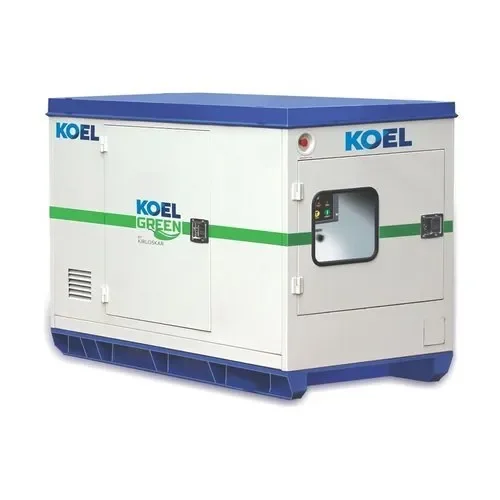
Diesel generators are a popular solution for backup power for schools in Nepal. It is possible to power an entire building using a diesel generator.
Advantages of Diesel Generators
- Power supply during emergencies
- Suitable solution for large institutions like universities
- Equipped to provide power during high electrical demands
- Lasts long with maintenance
Modern fuel-saving generators are a good solution to provide power while saving fuel for schools.
UPS Systems for Educational Institutions
A UPS (Uninterruptible Power Supply) system gives electricity instantly in case of a power outage. Unlike a generator, a UPS system gives electricity instantly.
UPS systems can be employed in the following ways:
- Computers
- Servers
- Networking systems
- Data storage systems
Benefits of UPS Systems
- Instant supply of electricity
- Protection from voltage fluctuations
- No data loss
- Smooth transition from UPS to generator power supply
UPS systems and generators can be employed in a school as a combined solution for power backup.
Hybrid Power Systems
Hybrid systems use generators alongside renewable power. These systems are gaining popularity as schools seek greener energy.
Benefits of Hybrid Systems
- Reduced Fuel Consumption
- Lower Operating Costs over Time
- Environmentally Friendly Energy Production
- Improved Energy Efficiency
Hybrid systems can provide electricity to the school while also protecting the environment.
Key Factors to Consider When Choosing Backup Power for Schools
It is vital to plan well to buy the best backup power system for the school.
I. Power Capacity Requirements
It is crucial to have a backup system that will provide power to the following facilities in the school:
- Classrooms
- Lecture halls
- Computer rooms
- Administrative offices
- Security systems
- Lighting systems
- Ventilation systems
It’s important to hire a professional to check power needs and choose the right generator or system.
II. Fuel Efficiency
Fuel-efficient generators will minimise the long-term costs of running the educational institutions. Modern generators help schools provide electricity while using less fuel.
III. Reliability and Durability
Educational institutions need backup power for schools that can operate reliably for many years. Reliable high-quality standby generators are a must in educational institutions.
IV. Maintenance and Service Support
Regular maintenance is a must for the reliable operation of the backup systems. It keeps backup power for schools functional.
Institutions need to choose the solutions that offer the following benefits:
- Availability of replacement parts
- Servicing of generators
- Maintenance support
Benefits of Reliable Backup Power for Schools
Key advantages of investing in good sources of backup power for schools include:
i. Continuous Learning Environment
Students and teachers can continue learning without any interruption.
ii. Protection of Educational Equipment
Educational institutions invest huge amounts of money in purchasing equipment that includes:
- Computers
- Projectors
- Lab equipment
- Networking equipment
Backup power systems help to protect his equipment from damage.
iii. Improved Campus Safety
Backup power keeps emergency systems, security cameras, and lights working during outages.
iv. Efficient Institutional Operations
School departments can manage admissions, finances, and data smoothly without interruptions.
The Future of Energy Solutions for Schools in Nepal
Nepal’s electricity sector is growing. Schools and universities want efficient power solutions. These solutions help save costs and provide other benefits.
- Smart Energy Management Systems
These systems will help the school track electricity consumption. This will help the school identify the areas that consume the most electricity. This will also help reduce electricity wastage.
- Renewable Energy Technologies
Schools and universities are also employing renewable energy. Solar power is clean energy. It helps in saving money spent on running generators.
- Hybrid Systems
Universities are using hybrid systems, which consist of solar power and a generator. A hybrid system uses solar power and generator sets as its power sources.
- Environmental and Operational Benefits
Modern energy solutions provide reliable power, protect equipment, and are eco-friendly. Schools using these solutions maintain uninterrupted learning and sustainability.
FAQs About Backup Power for Schools in Nepal
1. Why is backup power important for schools and universities?
Backup power is essential for schools. It keeps classrooms running during outages. It also supports computer labs and offices. Security systems stay active even when the power goes out.
2. What types of backup power solutions are suitable for schools?
Schools can use diesel generators. They can also use UPS systems. Solar power combined with generators is another backup option.
3. How can backup power protect school equipment?
Generators and UPS systems protect school equipment. They prevent sudden shutdowns, voltage changes, and power surges. This keeps computers, projectors, lab tools, and communication systems safe.
4. Are hybrid systems a good option for schools in Nepal?
Yes, the hybrid systems are good for the schools in Nepal. The use of solar power will save fuel and the environment.
5. How can schools ensure their backup power system remains reliable?
Schools and universities need to keep their backup power systems in good working order.
This includes the correct installation and checking of the systems. They should also monitor generator fuel and solar power production.
Conclusion
Electricity plays a major role in modern education. Schools and colleges need a lot of electricity for classrooms, labs, and offices.
Even though most of Nepal has electricity, power can still be unreliable in some areas. This makes backup power for schools essential.
Generators, UPS, or hybrid systems keep classes running and equipment safe. Reliable backup power lets students and teachers learn without worrying about power cuts.
Ensure your institution never faces a power outage. You may contact BRT International Pvt. Ltd. for the required backup power for schools or educational institutions.
Popular Posts



Recent Posts
-
Kirloskar R Series vs SL Series: Which Generator Is Right for You?
Oct 06, 2026 | admin
-
Generator Overheating: Causes, Quick Fixes and Prevention Tips (Nepal Guide)
Oct 02, 2026 | admin
-
Diesel Generator Working Principle: The Complete Guide (2026)
Sep 27, 2026 | admin
-

Common Generator Problems in Nepal: Causes, Solutions, and Maintenance Tips
Sep 23, 2026 | admin
-
Generator Installation Cost in Nepal (2026): Complete Pricing & Buying Guide
Sep 10, 2026 | admin
-

IoT Enabled Genset: How Smart Generators Can Reduce Fuel Costs in Nepal
Sep 06, 2026 | admin
-

kVA vs kW: What’s the Difference? Simple Generator Power Guide
Sep 03, 2026 | admin
-
Best Generator for Hotel in Nepal (2026): Sizing, Silent Operation & Buying Guide
Aug 27, 2026 | admin