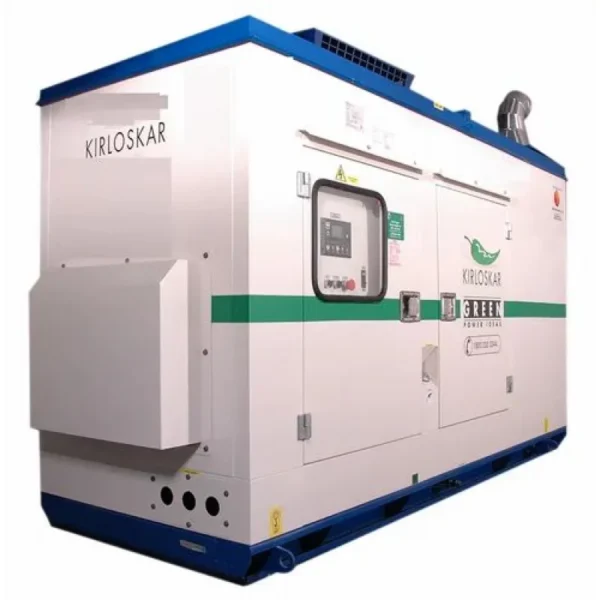
In Nepal, the price of a generator often has less to do with the machine and more to do with which dealer you ask. That’s not because anyone’s trying to confuse you but the generator price in Nepal genuinely depends on a handful of moving parts: how much power you need, whether it’s air-cooled or liquid-cooled, which brand you go with, and what gets bundled in at installation. This guide pulls all of that together in one place, including where Kirloskar generator models fit into the picture, since they’re one of the more common choices we get asked about.
Understanding Generator Pricing in Nepal
Before jumping into numbers, it’s worth understanding why generator price in Nepal can vary so much even for two machines of a similar size. The capacity (measured in KVA) is the obvious one, but it’s rarely the only factor. Cooling type matters too as air-cooled machines are simpler and cheaper, liquid-cooled ones cost more but handle sustained, heavy loads better. Brand plays a role as well; a Kirloskar or KOEL unit will usually sit higher on the price list than a lesser-known import, partly because of build quality and partly because spare parts are easier to source down the line. Then there are the extras that often get left out of the initial quote, a soundproof canopy, an ATS panel for automatic switching, that sort of thing.
One quick number worth keeping in your back pocket: multiply the KVA rating by 0.8 and you get a rough idea of usable kilowatts. That’s the figure that actually tells you how much you can run.
Generator Price List by kVA in Nepal 2026
The price of a generator in Nepal is different based on many things. These things include the power of the generator, the type of cooling system it has, how well it uses fuel and the extra features it comes with. Generators that are smaller and made for homes and small businesses usually cost money. On the other hand, big generators for industries cost more money because they have more power and better features.
Here’s a breakdown of generator price in Nepal by capacity. The table below shows the sizes of generators you can find in Nepal and what they are usually used for.
| Generator Capacity | Price | Cooling Type | Ideal For |
| 5-12.5 kVA | Contact for Quote | Air Cooled | Homes, small shops, and offices |
| 15-20 kVA | Contact for Quote | Liquid Cooled | Small offices and commercial spaces |
| 15-70 kVA | Contact for Quote | Air Cooled | Restaurants, clinics, retails stores and small businesses |
| 62.5–100 kVA | Contact for Quote | Liquid Cooled | Medium-sized hotels, industries and commercial buildings |
| 180–250 kVA | Contact for Quote | Liquid Cooled | Hospitals, factories, shopping malls and large offices |
| 320–625 kVA | Contact for Quote | Liquid Cooled | Large industrial plants, manufacturing facilities and heavy-duty operations |
The final price of the generator depends on the brand of the generator, the type of engine, the type of enclosure, how it needs to be installed and any extra things you want. BRT International is a dealer of Kirloskar generators in Nepal. They sell Kirloskar generators and help customers choose the best power solution for their needs.
If you want to know the price of a generator with a size or, for a specific use you should contact BRT International. They will give you the price and help you make a good choice.
Has the generator price in Nepal actually changed this year??
Somewhat, yes. A lot of it comes down to things buyers don’t usually think about like exchange rates, customs duty on imported parts, and simply more businesses now treating backup power as a real budget line rather than an afterthought. Smaller home units haven’t moved much this year. Commercial and industrial-scale gensets, on the other hand, have crept up slightly, mostly tied to import costs. None of this is dramatic, but if you’re working off a quote from last year or the year before, it’s worth double-checking before you commit.
Where Kirloskar Fits In?
Kirloskar is a name that comes up often when people talk about generators. That is because Kirloskar has a good reputation in Nepal for making products that last a long time and do not need a lot of maintenance. The Kirloskar lineup can be broken down into few groups:
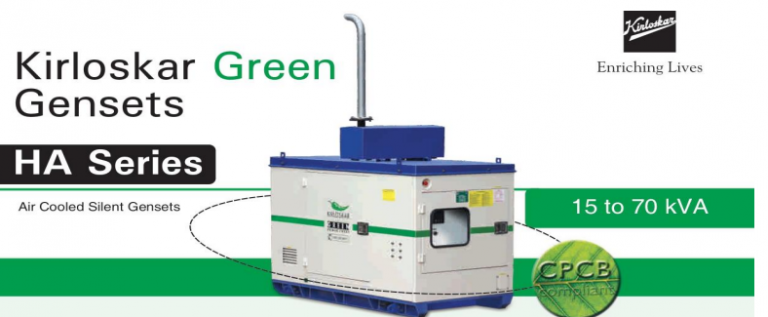
- For homes and smaller businesses, the HA Series is a solid, air-cooled option, ranging from 15 to 70 KVA.
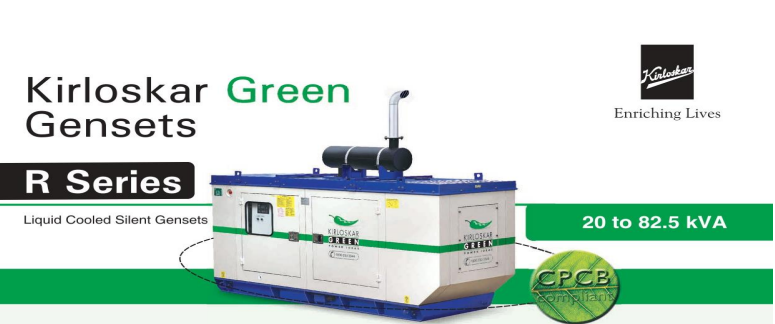
- If you need a steadier power supply for offices or homes, the R Series offers liquid-cooled performance between 8.25 and 20 KVA.
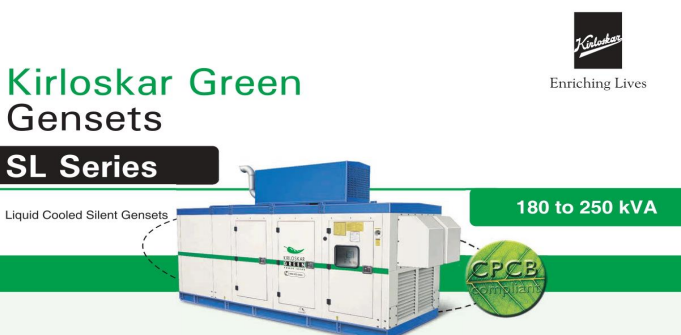
- Larger commercial spaces are better served by the SL Series, a liquid-cooled range spanning 180 to 250 KVA.
- Heavy industrial operations can turn to the DV Series, a liquid-cooled lineup built for demanding use, covering 320 to 625 KVA.
As you can see, generator price in Nepal shifts quite a bit depending on which Kirloskar series fits your needs.
And yes, you will have to pay a bit of money when you first buy a Kirloskar generator compared to a generator that does not have a brand name. Most people who buy Kirloskar generators find that they save money in the long run because they use less fuel and do not need to replace parts as often. If you are trying to decide which Kirloskar series is right, for you we have written more about the Kirloskar Generator Models.
The Extras That Change Your Final Number
A soundproof canopy isn’t strictly necessary everywhere, but if you’re installing near a hospital, hotel, or residential area, it’s close to essential, and it does add to the base cost. An ATS panel is another one worth budgeting for; it automates the switch from grid to generator power, so nobody has to run out and flip anything manually during an outage, which matters more than people expect once they’ve lived through a few unplanned cuts. And because most of this equipment is imported in one form or another, currency movement and customs changes can nudge prices without much warning which is another reason to check current rates rather than go off memory.
What Does It Actually Cost to Run One ?
When people ask about generator price in Nepal, they’re often only thinking about the sticker price — but that’s only half the story. Fuel adds up, and it adds up faster than most first-time buyers expect. As a rough rule, diesel generators run most efficiently somewhere between 50 and 80 percent load. Push much lower or higher than that band, and you start burning more fuel per unit of output than you should. A small home unit running a few hours during evening cuts costs very little per month. An industrial generator running extended commercial hours daily is a different conversation entirely, and it’s worth working out expected monthly running hours before you lock in a size, not just comparing sticker prices.
Paying in Installments
Not everyone wants to pay the full amount at once, and that’s fair as a mid-size commercial generator is a real chunk of money. BRT International can help connect buyers with bank financing or EMI arrangements in cases where that makes more sense than a lump sum, particularly for larger commercial units. Worth raising directly when you’re getting your quote, since not every dealer offers this and it’s easy to forget to ask.
Installation: The Part People Forget to Budget For
Here’s where a lot of buyers get caught off guard — the unit price and the installed price are two different numbers. Installation covers site prep (foundation, ventilation, exhaust routing is more involved if it’s a rooftop setup), the electrical wiring and panel work to actually tie it into your building, the ATS setup if it wasn’t already bundled in, labor, and finally testing under load before anyone signs off on it. A home installation is usually done in a day or two. An industrial job can mean civil work and a dedicated generator room, so it’s a good idea to ask for that broken out separately in your quote if you don’t want surprises after the fact.
Actually Choosing the Right One
Before comparing generator price in Nepal listings, start with the things you need to keep running, not how much money you have to spend. Make a list of what’s really important to you during a power outage. Like lights, a fridge and a few other machines. Do this before you decide on the size of the generator you want to buy. If you get a generator that’s too small it will not be able to handle the load and it will shut down. This is exactly when you need power the most. On the other hand if you get a generator that is too big you will be paying more money than you need to and it will use more fuel than necessary.
When it comes to deciding between an air-cooled generator and a liquid-cooled generator, think about how you will be using it and for how long. If you only need to use it every and then, at home an air-cooled generator is fine. If you need to use it all the time for your business a liquid-cooled generator is a better choice.
Some people might be thinking about buying a generator because they do not have a lot of money to spend. Generators that have been used before can still work well. You need to make sure you know the history of the machine and have someone check it out first. If you buy a generator without checking it out you are taking a big risk. What if it breaks down during a power outage?
Check what the warranty covers and ask if you can also get a maintenance package. No matter what you decide, make sure you buy the generator from a dealer. This is important because it means you will be able to get parts and support if something goes wrong. If you do not buy from a dealer you might have trouble finding the parts you need to fix the generator if it breaks.
Getting a Quote from BRT International
BRT International has been doing this since 2007. They sell generators, install them and take care of them so they keep working long after you buy them. They are a dealer for Kirloskar and KOEL. When you buy a generator from BRT International, the price you pay is not just for the generator, it also includes the help and support that BRT International gives you.
If you’re still not sure what you’ll end up paying, that’s completely normal it depends on a few things. For the most accurate generator price in Nepal, reach out directly to BRT International and tell us about your power needs, your location, and your budget, and we’ll give you a price that actually fits your situation.
Frequently Asked Questions
1. What’s the average generator price in Nepal right now?
The average generator price in Nepal varies depending on the size and brand of generator you want. There isn’t one price for all generators. To get a price it’s best to get a direct quote once you know what size you need in terms of KVA.
2. Is Kirloskar more expensive than other brands?
Kirloskar generators cost a bit more at first. Most buyers find that Kirloskar generators save money over time because they use less fuel and last longer.
3. Is installation included in the quoted price?
To understand the full generator price in Nepal, always ask for a cost breakdown that includes installation. Usually, installation is not included in the quoted price. Its billed separately. It’s an idea to ask for a breakdown of the costs upfront so you know what you’re paying for.
4. What’s the cheapest option for home use?
For home use air-cooled generators in the 5-15 KVA range are usually affordable. These generators are good for home setups.
5. Can I pay in installments?
Yes, you can often pay for a generator in installments. When you ask for a quote ask your dealer about financing or EMI options.
6. How do I figure out what size I need?
To figure out what size generator you need add up the wattage of everything you want to run during a power outage. Then talk to a dealer about matching that to the KVA rating, for a generator. A generator’s KVA rating is important to consider, and it’s the main factor that determines generator price in Nepal.
Popular Posts
Recent Posts
-
Kirloskar R Series vs SL Series: Which Generator Is Right for You?
Oct 06, 2026 | admin
-
Generator Overheating: Causes, Quick Fixes and Prevention Tips (Nepal Guide)
Oct 02, 2026 | admin
-
Diesel Generator Working Principle: The Complete Guide (2026)
Sep 27, 2026 | admin
-
Common Generator Problems in Nepal: Causes, Solutions, and Maintenance Tips
Sep 23, 2026 | admin
-
Generator Installation Cost in Nepal (2026): Complete Pricing & Buying Guide
Sep 10, 2026 | admin
-
IoT Enabled Genset: How Smart Generators Can Reduce Fuel Costs in Nepal
Sep 06, 2026 | admin
-
kVA vs kW: What’s the Difference? Simple Generator Power Guide
Sep 03, 2026 | admin
-
Best Generator for Hotel in Nepal (2026): Sizing, Silent Operation & Buying Guide
Aug 27, 2026 | admin