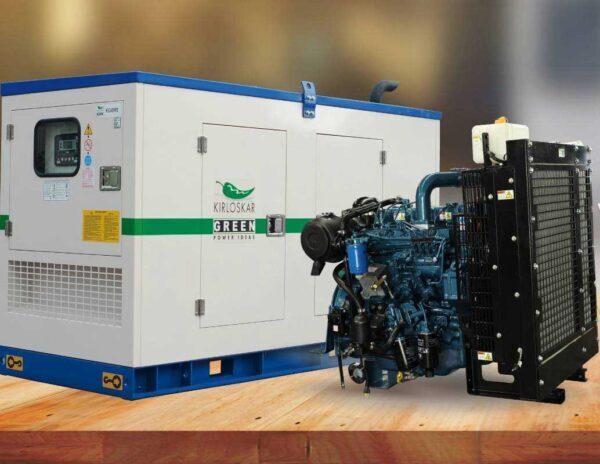
Fuel efficiency tips for diesel generators in Nepal are essential for reducing diesel use, cutting costs, and ensuring reliable backup power. Diesel generators consume more fuel than expected in Nepal. It consumes more fuel due to high altitude, low fuel quality, low loads, and poor maintenance. The city of Kathmandu is located at an altitude of 1,400 meters above sea level. Similarly, many hill districts of Nepal have an altitude of more than 2,000 meters. The generators consume more fuel due to low air density. In addition, fuel of low quality also results in more consumption of diesel. If generators run at loads lower than 30% during off-peak hours, then they consume more fuel.
This guide discusses all the parameters that may be optimised according to the conditions of Nepal. If these diesel generator tips Nepal are followed, 12-22% fuel may be saved per hour, along with proper diesel generator maintenance Nepal practices and a correct diesel generator service schedule.
Why Diesel Generator Fuel Efficiency Matters More in Nepal?
In Nepal, diesel generators Nepal are not optional, but rather essential infrastructure. Fuel efficiency tips for diesel generators in Nepal are critical due to cost implications.
Key facts emphasise the need for this guide.
- Historic Load-Shedding: From 2008 to 2016, Nepal faced power cuts lasting up to 18 hours a day. According to the World Bank, the unreliable supply of electricity had resulted in Nepal losing $11 billion in GDP over nine years or 6 percent of Nepal’s annual GDP.
- Ongoing Grid Challenges: NEA has managed to stop load-shedding as of May 2018, but power cuts still occur. Outside the Kathmandu Valley, the grid supply remains unreliable. Generators are necessary for load shedding backup power Nepal in hospitals, hotels, industry, and businesses.
- Structural Dependency on Diesel: At peak times, two-thirds of diesel in the Kathmandu Valley was used for electricity (Nepali Times). This indicates that Nepal is structurally dependent on diesel as a source of power.
- High Operational Cost: The diesel fuel used is responsible for more than 70% of the operational cost of the generators. Improving efficiency by 5% on a 500kVA generator saves around $8,000 annually for industrial consumers. These are key generator fuel saving tips.
- Imported Fuel: Nepal does not have any indigenous oil, gas, or coal. Diesel prices in Nepal are set by the NOC and follow global crude oil prices. Every liter wasted has a direct import-cost consequence.
Using the fuel efficiency tips for diesel generators in Nepal is crucial in the management of costs as well as the diesel generator service schedule.
The Nepal-Specific Problem: Why Your Generator Burns More Fuel Than the Spec Sheet Says
The fuel consumption of diesel generators Nepal is more than their specification. This chapter includes three reasons why Nepal generators consume more fuel than their specification. The reasons include high altitude, poor fuel, and low-running generators during load-shedding. The fuel consumption of generators is usually more than their specification. Knowing these factors is essential for effective operation and following fuel efficiency tips for diesel generators in Nepal and diesel generator tips Nepal.
- Altitude Derating — The Hidden Fuel Penalty
Nepal’s high altitude has a big impact on the performance of diesel generators. Kathmandu is 1,400 m high, Pokhara is 822 m, and many hill areas are above 2,000 m. Thinner air at high altitudes means less oxygen for combustion.
For diesel generators Nepal, the standard power loss rate is 3–3.5% per 1,000 ft (≈305 m) above sea level. Turbocharged engines lose power above 1,000 m, while naturally aspirated engines start losing power above 300 m. Running a generator above this reduced capacity uses more diesel for the same output.
The basic formula to find the fuel use is as follows:
Fuel Use (L/hr) = Load (kW) × Specific Fuel Consumption (L/kWh)
For most of the modern diesel engines, the specific fuel consumption varies between 0.28 to 0.35 L/kWh at the maximum load.
An overloaded engine at high altitude will consume more diesel for the production of the same electricity.
Recommendation: The generators in Nepal should be 15–25% bigger than the expected load if they are to perform well at high altitudes. The generators that are in use are of small size, which makes them consume more fuel.
- Fuel Quality — Adulteration, Water Contamination, and Storage Degradation
Fuel quality greatly affects diesel generator performance Nepal. Outside the Kathmandu Valley, diesel is often adulterated with kerosene or contains water. Even 0.1% water in fuel can cause bad combustion, damage injectors, grow microbes in tanks, and clog filters.
Diesel stored for over 30 days can go bad. In large tanks at hospitals or businesses, microbes can form in six weeks if the fuel isn’t treated. Bad fuel makes the engine work harder. Dirty injectors spray unevenly, which lowers efficiency.
Some of the signs that your generator fuel quality may be affecting your generator include:
- Black smoke from a rich air-fuel mixture
- White or blue smoke indicates water or oil contamination
- Engine hesitation under load
- Increased fuel consumption without any change in operational load
Experts use a special paste on the fuel tank dipstick to detect water in diesel in under two minutes. In Nepal, diesel generators should use NOC-approved fuel. Check the fuel before use. The diesel fuel that is stored should be treated by using the polishing method or the water separation method, which will improve the efficiency of the generators.
- Monsoon and Dust — Seasonal Ventilation and Filter Loading in Nepal’s Climate
Nepal has a special climate, which has an effect on the diesel generators, especially during the monsoon season, which occurs between the months of June and September. During this season, the level of humidity in the air increases, causing water vapor to be added to the air. This reduces the level of oxygen that is available, hence reducing the efficiency of the generators.
Another factor that diesel generators are likely to face is dust, especially in Kathmandu and other cities in Nepal. During the spring season or the pre-monsoon season, dust usually clogs the air filters, which reduces the amount of air available for the combustion process.
In dusty environments, the air filters should be cleaned or replaced every 250 hours instead of every 500 hours.
If the air filter is clogged, resistance is created in the air entering the generator, which then works harder and can cause:
- Increased fuel consumption
- Increased running temperatures of the engine
- Possible reduction in the lifespan of the components
Practical Tips for Nepal Operators:
- Check and clean air filters before and during the dusty season.
- Change the air filter before the recommended time if the dust or pollution level is high.
- Use high-quality air filters for dusty and humid environments for an efficient diesel generator Nepal.
The Single Biggest Controllable Factor — Generator Load Management
The most effective way to improve diesel generator fuel efficiency is proper load management. Generators reach peak efficiency when running at 70–80% of their rated capacity. At this range, specific fuel consumption (SFC) is lowest, typically around 0.28–0.32 L/kWh for modern turbocharged generators. This range burns the fuel completely, reduces waste, and decreases the engine’s stress.
If the generator operates at less than 30 percent capacity, the fuel is not burned completely. This unburned fuel is discharged through the exhaust system, which leads to the buildup of carbon and oil in the injectors. This can glaze cylinder walls and, if not fixed, permanently damage the engine.
Nepal has a special problem with variable load-shedding and an unreliable grid. Many generators are running at low loads during off-peak hours. For example, if the generator rating is 100 kVA, it may be running at only 5% capacity during off-peak hours, running only the lights and the security systems. This low running condition creates black exhaust, wastes fuel, and over time damages the engine.
If the generator is running over 100% capacity, it may damage the engine and reduce the engine’s lifespan. Running the generator at less than the required load is the most common problem in Nepal, and it creates the greatest efficiency problems.
Key Recommendations for Nepal Operators:
- Prior to installation, a load analysis should be done to ensure the generator is adequately sized to match the demand.
- In cases where the load varies, the units may be paralleled to operate each one at close to optimum load.
- A monthly exercise should be planned to last at least 2 hours at 50 percent load. This helps to re-lubricate the engine, burn off deposits, and maintain the alternator and batteries.
- For several non-critical circuits, use automatic load management panels to keep the generator efficient.
Running generators at the right load saves fuel, lasts longer, and improves reliability. This is important for load shedding backup power Nepal.
How to correct underloading
Fixing underloading is the easiest way to boost generator efficiency and protect engine life in Nepal. The first step is to right-size the generator based on actual load requirements. Conduct a thorough load analysis before purchase or installation. Include the total running watt demand of all connected equipment. Also account for the starting surge, which can be 2–3 times the running watts for motors and compressors.
For places with varying power requirements, it is better to have two small generators running together rather than a single large generator. For example, two 100 kVA units can handle a load between 30 and 180 kVA more efficiently than a single 200 kVA unit. One generator runs at low load, and both run when demand is high.
For standby generators, run a 2-hour monthly exercise at about 50% load. This re-lubricates the engine, removes moisture from the alternator, burns off wet stacking deposits, and charges the battery. One 2-hour run is more effective than several short runs, like four 30-minute sessions.
Additional measures include:
- Load bank testing: Run the generator once a year, or every six months for prime power units, using a load bank at 75–100% of rated output for 2–4 hours. This burns off wet stacking deposits. It also tests the cooling system and ensures full power delivery at high altitudes in Nepal.
- Automatic load management panels: For facilities with multiple non-critical circuits, install automatic load-shedding panels. These panels turn off non-essential loads when grid power fails. This keeps the generator operating efficiently.
By following these steps, the generator remains close to the optimal load range. Fuel efficiency, engine wear, and reliable backup power for load shedding in Nepal are achieved.
Maintenance Schedule Summary for Diesel Generators: Hours-Based & Calendar-Based
Generators in Nepal run 2 to 6 hours per day as diesel generators for backup power. Sometimes calendar-based maintenance comes before hour-based maintenance.
The following diesel generator service schedule combines both, helping operators manage preventive maintenance efficiently.
| Interval | Actions | Explanation |
| Daily (Pre-Start Check — 5 minutes) | Check the oil level using the dipstick and the coolant level in the reservoir. Inspect the fuel quantity and clarity. Measure the battery voltage. Listen for any unusual noises when starting the generator. | The pre-start check is the most important maintenance task for its time. It helps detect low oil, coolant leaks, or fuel contamination before they cause a failure during operation. This should become a daily habit to prevent emergency situations during important backup operations. |
| Weekly (10–15 minutes) | Check the belts to make sure they are properly tensioned and in good condition. Check all the hoses and connections for any cracks or moisture. Check the exhaust system for foreign matter. Black indicates wet stacking, white indicates coolant leakage, and blue indicates burning oil. Checks on the level of the fuel are also done in order to observe siphoning or abnormal consumption. | The early signs of wear and tear, as well as system problems, are identified before they become major problems through weekly inspections. It also ensures the proper functioning of the generators and prevents small problems from becoming major problems. |
| Monthly (250-Hour Check) | Replace the oil and oil filter once the generator reaches the recommended runtime hours. Clean or replace the air filter use a shorter interval in Nepal’s dusty conditions. Drain the water separator and check the battery voltage or specific gravity. If the generator has been in standby mode most of the time, run the generator at 50 percent load for two hours. | Monthly checks keep the engine lubricated and remove moisture. They also prevent wet stacking by burning uncombusted fuel. This is done by running the generator on partial load, which helps in maintaining efficiency, especially in the case of Nepal’s unstable power supply. |
| Every 500 Hours (or 6 Months, Whichever First) | Change the fuel filter, air filter, regardless of their condition, check the coolant, adjust the valves, check the brushes of the alternator, check the battery, etc. | By following this schedule, the engine remains efficient, damage is prevented due to wear, and combustion is maintained appropriately. |
| Annually (1,000 Hours or 12 Months, Whichever First) | Changing the flush coolant, fuel injectors, and performing the load bank test at 75 to 100 percent capacity for at least 2 hours are also necessary. It is also necessary to inspect the turbocharger, alternator, and AVR, log the activities, and replace batteries over 2.5 years of age. | Routine annual maintenance is essential for the health and proper functioning of the engine. Routine servicing of the major components is done to keep the generator in the best condition for standby as well as prime power operation. |
Fuel Quality Management in Nepal — What to Do That Most Operators Skip
Fuel quality is a key but often overlooked factor for diesel generators Nepal. Poor fuel, contamination, or bad storage can lower efficiency, increase fuel use, and harm the injection system. Most generic guides fail to address these Nepal-specific challenges.
Key Steps for Effective Fuel Management:
- Source Fuel from NOC-Authorized Outlets: Diesel fuel should always be purchased from authorized outlets in Nepal, especially in rural and hill districts. Dirty or old fuel can have water, kerosene, or other impurities.
- Visual Fuel Inspection: Diesel fuel should be amber colored if clean, cloudy if water is present, and dark if the fuel is old or impure. It is recommended that water be filtered out before refueling the tank.
- Proper Storage & Polishing: Diesel fuel begins to degrade after 30 days when stored at ambient temperature. Fuel polishing/treatment should be done when the storage period exceeds 90 days. It is recommended to pass the fuel through filters in tanks with capacities of over 250 liters and under 1,000 liters every six months to remove water, dirt, and microbes, especially for diesel generators in Nepal.
- Use of Fuel Additives: Biocides inhibit microbes from growing in fuel, stabilizers extend the life of diesel fuel, and cetane improvers allow diesel to ignite more easily to reduce fuel-rich starts. These are essential maintenance tools that can be obtained from special suppliers in Kathmandu.
- Seasonal / Idle Generator Care: If the generator is idle for more than 60 days, especially during the monsoon season, the tank should be drained, or stabilizer should be added. Old fuel can make it hard to start and damage injectors.
- Fuel Quality Testing: Keep a 250 ml sample from each bulk delivery in a labeled glass jar. Observe it over 2 weeks; sediment or cloudiness indicates quality concerns before the fuel reaches the generator.
By following these diesel generator tips Nepal, the fuel is kept clean, and the injectors are protected. In addition, the combustion is made more efficient, which is important in addressing Nepal’s fuel issues.
Advanced Efficiency Options for Commercial and Industrial Operators in Nepal
Technology can be used to address the issues of fuel efficiency tips for diesel generators in Nepal after proper maintenance. This is especially important for large commercial or industrial generators above 100 kVA in Nepal.
- Automatic Voltage Regulators (AVR) and Generator Controllers: Modern generator controllers with AVRs and automatic load management can save a lot of fuel. They let operators control load sequencing, set cool-down times, and reduce idle running. They also track running hours, load, and faults, making maintenance easier. For generators over 100 kVA in Nepal, a digital controller usually pays for itself in 18–24 months through fuel and maintenance savings.
- IoT-Enabled Monitoring: IoT-connected generators show fuel use, load, and faults in real time on a phone or computer. In Nepal, this helps hotel and hospital managers spot low-load running. For example, a generator that has been at 15% load for a few hours. They can add additional circuits to run in order to save fuel. IoT monitors trends and can notify them before issues arise.
- Hybrid Solar-Diesel Systems: In Nepal’s Terai and mid-hill areas that have plenty of sunlight, prime power can use a solar-diesel hybrid system. In this case, the solar power is used during the day, and the generator runs only as needed. For example, in a 100 kVA facility, a well-sized solar system can cut generator hours by 30–50% each year, lowering fuel costs without replacing the diesel generator.
Fuel Flow Meters: Fuel flow meters measure real-time diesel use in liters per hour. In large installations, they indicate which generators are the most or least efficient, thus facilitating their maintenance. In single-generator installations, they check if, for example, filter changes or load changes improve efficiency.
These tools are not meant to replace basic maintenance or load management. They also assist the generator operators in Nepal in becoming more efficient, cutting costs, and monitoring the generator’s performance.
Summary — Fuel Efficiency Checklist for Nepali Generator Operators
Generators in Nepal, if operated efficiently, not only cut costs but also guarantee the consistent operation of the generator.
Generators should be operated at 70-80% rated load for fuel efficiency to be achieved. Operating the generator at less than 30% rated load may cause incomplete combustion, increased fuel consumption per kWh, and engine wear, which is a common issue in load shedding backup power Nepal systems.
For operations that experience variable loads, parallel machines or load management systems are utilized as part of proper diesel generator tips Nepal. The quality of fuel also plays an important role in fuel efficiency and the life of the injector. The fuel used for diesel should be purchased from an authorized outlet of Nepal Oil Corporation. The fuel should be checked and polished, especially when the fuel quantity is in excess. The fuel may be mixed with biocides, stabilizers, or cetane improvers for proper combustion and improved diesel generator fuel consumption efficiency.
Regular maintenance is essential to ensure maximum efficiency proper diesel generator maintenance Nepal practices. Daily checks, weekly inspections, monthly servicing, and annual load tests are essential. Maintenance should follow both hours and time schedules, as generator use varies in Nepal, making a proper diesel generator service schedule important.
Environmental conditions must be taken into consideration to ensure maximum efficiency. Dusty conditions, monsoon season, etc., may cause problems with airflow and combustion efficiency. The air filters should be changed regularly.
The latest technology can also be utilized to maximize efficiency. Digital controllers, automatic voltage regulators, IoT monitoring, and fuel flow meters may assist in improving efficiency and implementing generator fuel saving tips. Hybrid solar-diesel power systems may assist in reducing generator hours and fuel costs. If generators are not utilized, it is essential to drain the day tank to avoid stale fuel, injector problems, and hard starts.
For reliable generator solutions in Nepal, contact BRT International, an authorized Kirloskar generator dealer.
Frequently Asked Questions
Q1: What is a diesel generator?
A diesel generator Nepal is used for generating electricity using diesel as a source. It consists of a diesel engine and an alternator. In Nepal, these generators are used for domestic, hospital, hotel, and industrial purposes during the load-shedding period. The diesel engine rotates the alternator, and it starts generating electricity. The voltage and frequency of the generated electricity are constant.
Q2. How to reduce fuel consumption in a diesel generator?
To save fuel in diesel generators in Nepal, focus on load, fuel, and maintenance. Run the generator at 70–80% of its capacity for best efficiency, because low loads waste fuel and cause carbon buildup. Keep air filters, fuel filters, and injectors clean to improve performance. Always use good-quality diesel from trusted sources to avoid problems. IoT monitoring or solar-diesel hybrids can save more fuel following fuel efficiency tips for diesel generators in Nepal, making them useful for homes and businesses.
Q3: What is the 20 20 20 rule for generators?
The 20-20-20 rule helps keep generator use safe during load-shedding. Keep the generator 20 feet from buildings, let it cool for 20 minutes before refueling, and use a carbon monoxide alarm. The rule does not help one save on fuel, but it is very crucial in Nepal since one can easily use a generator in a small space.
Q4: What is the common problem of a diesel generator?
In Nepal, the diesel generators are not able to start because of poor battery condition, poor quality of fuel, poor filter condition, or poor maintenance. Wet stacking is another problem, especially in low-load generators. This results in poor efficiency of the generators because of the buildup of carbon. In addition, dust and humidity can cause air filters to become clogged.
Q5: How to increase fuel efficiency of generator?
Improper use of fuels can be avoided by improving the efficiency of fuel usage. This can be achieved by using proper loads, clean fuels, and proper servicing of the units. It is essential that the generators are operated at 70-80 percent load. Servicing the units and changing the filters and injectors also improves efficiency and avoids fuel consumption. Hybrid solar-diesel systems and digital controllers are also effective in Nepal. Always follow fuel efficiency tips for diesel generators in Nepal.
Q6: What is the 80% rule for generators?
The 80% rule suggests that for optimal performance, generators should be used at 80% of their maximum rating. This rate ensures maximum fuel efficiency and low levels of carbon deposits.
If generators are used at less than 30%, then there will be wastage of fuel, wet stacking, and wear on the engines. The management of generators has been effective in Nepal.
Q7: How does high altitude affect generators?
The efficiency of generators decreases at high altitudes due to less oxygen available for combustion. The generators lose about 2 to 3 percent efficiency for every 1,000 feet rise above sea level. In Nepal, generators are installed with proper sizes and air intake systems.
Popular Posts
Recent Posts
-
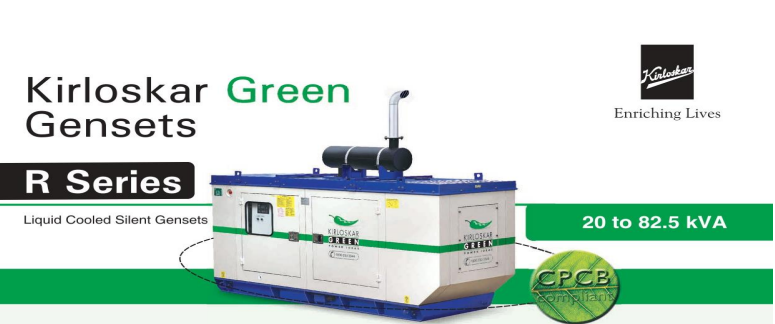
Kirloskar R Series vs SL Series: Which Generator Is Right for You?
Oct 06, 2026 | admin
-
Generator Overheating: Causes, Quick Fixes and Prevention Tips (Nepal Guide)
Oct 02, 2026 | admin
-
Diesel Generator Working Principle: The Complete Guide (2026)
Sep 27, 2026 | admin
-
Common Generator Problems in Nepal: Causes, Solutions, and Maintenance Tips
Sep 23, 2026 | admin
-
Generator Installation Cost in Nepal (2026): Complete Pricing & Buying Guide
Sep 10, 2026 | admin
-
IoT Enabled Genset: How Smart Generators Can Reduce Fuel Costs in Nepal
Sep 06, 2026 | admin
-
kVA vs kW: What’s the Difference? Simple Generator Power Guide
Sep 03, 2026 | admin
-
Best Generator for Hotel in Nepal (2026): Sizing, Silent Operation & Buying Guide
Aug 27, 2026 | admin